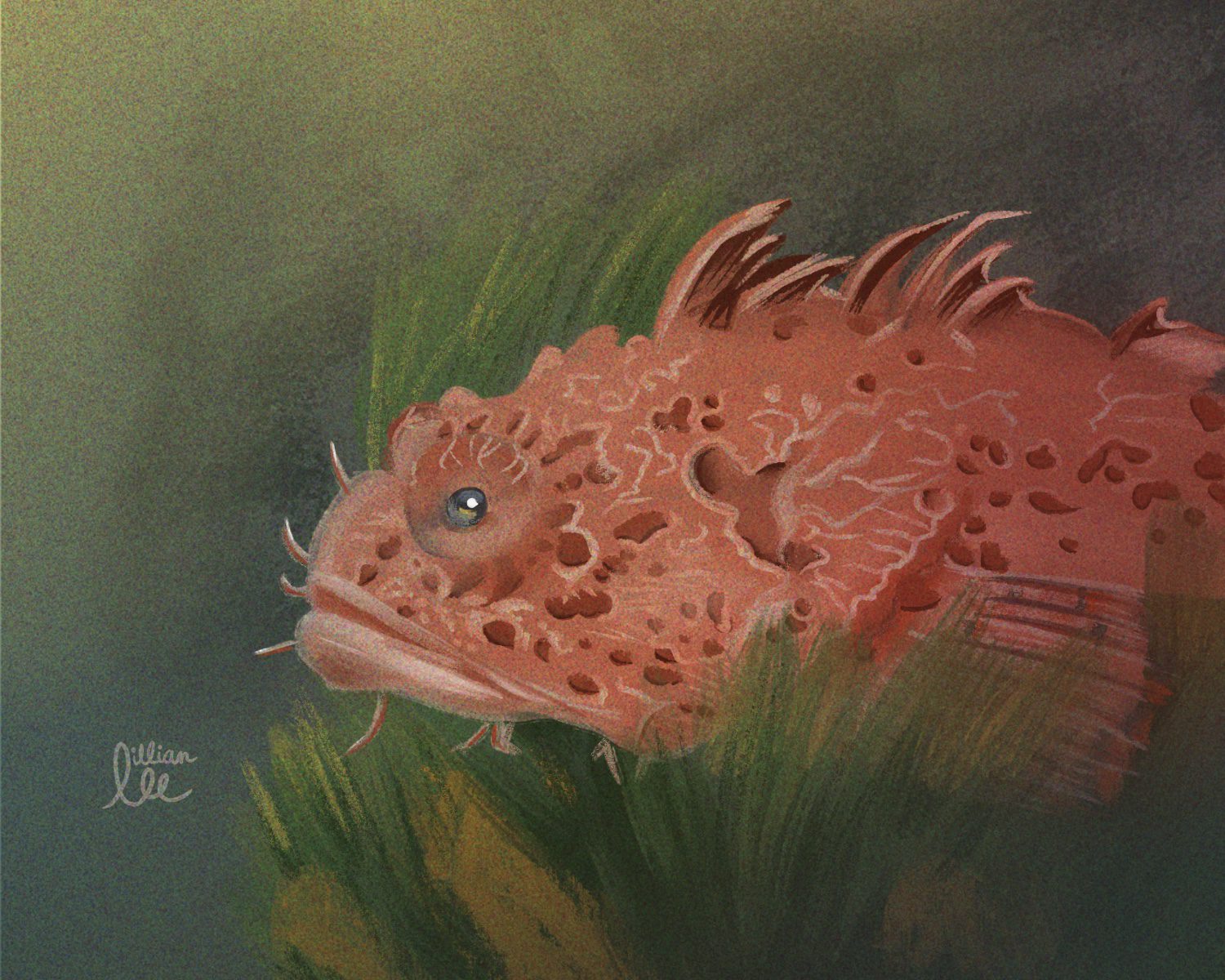
Beyond learning an absurd amount about creatures of the sea, the project sharpens my illustration workflow, decision-making, and consistency under self-directed constraints. Follow along on IG @emptybamboogirl for more.
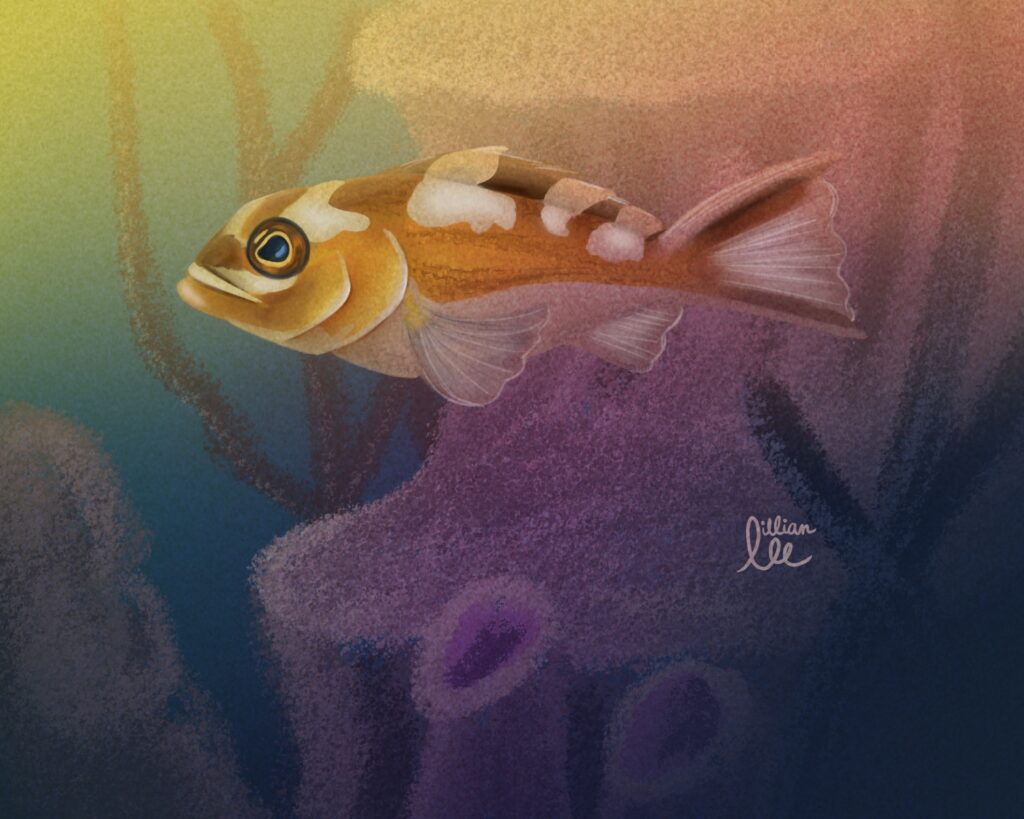
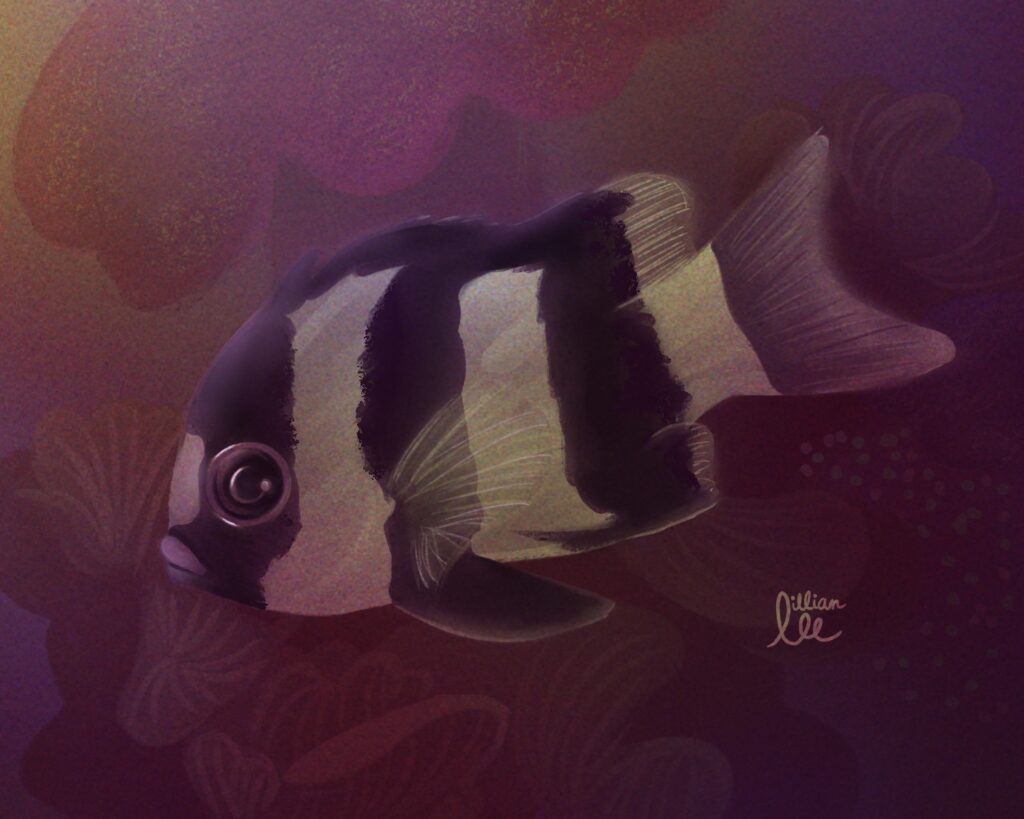
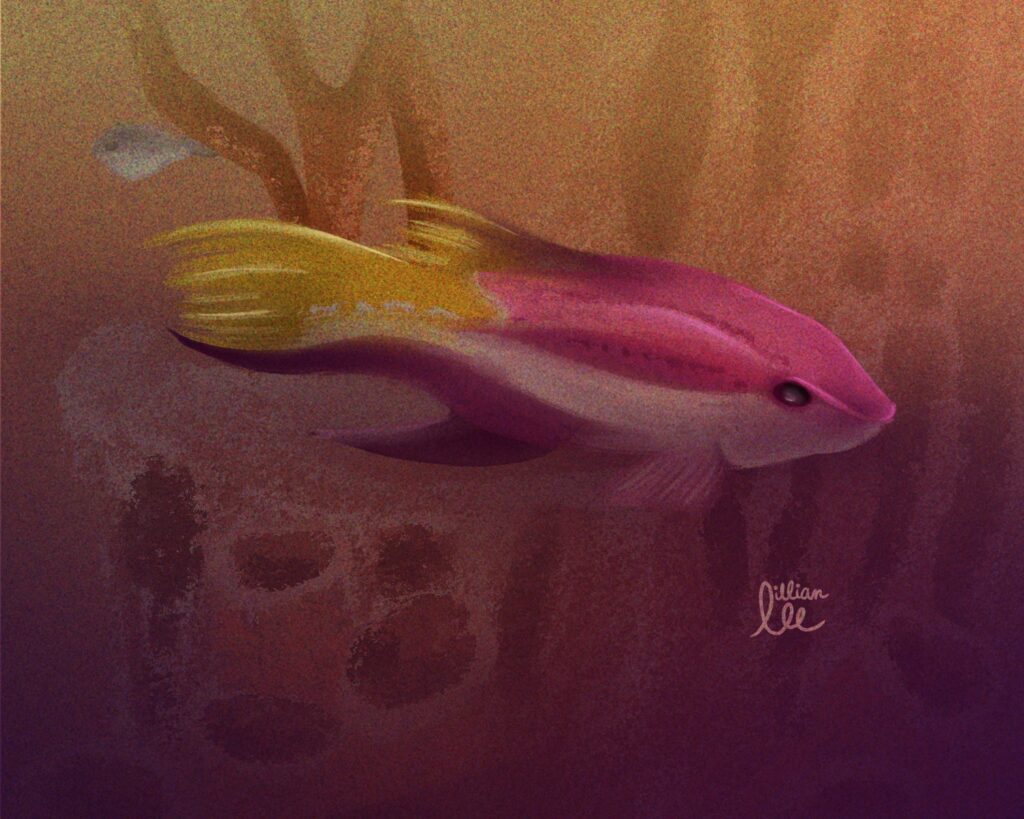
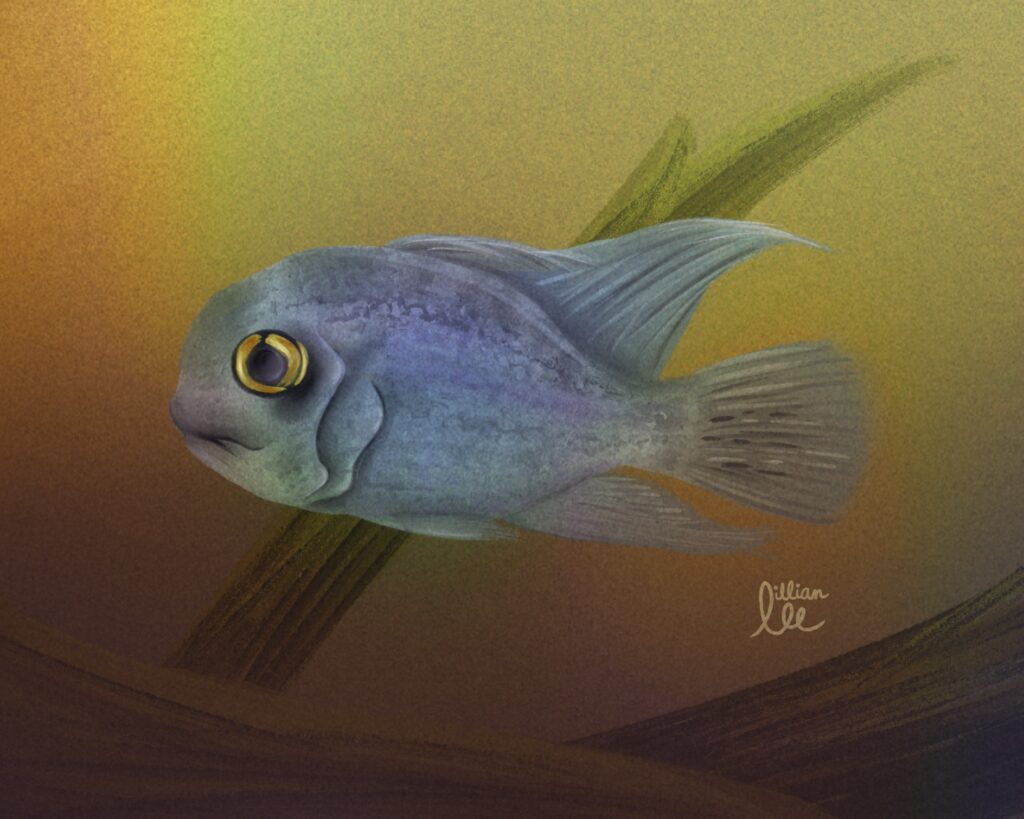
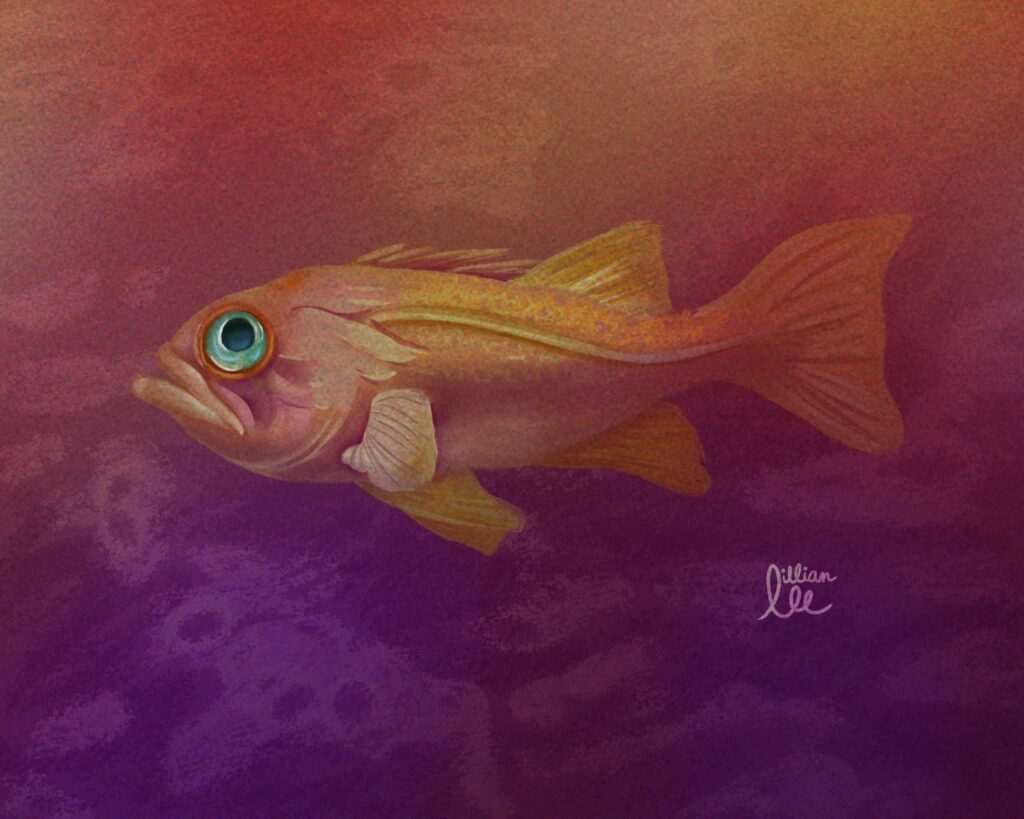
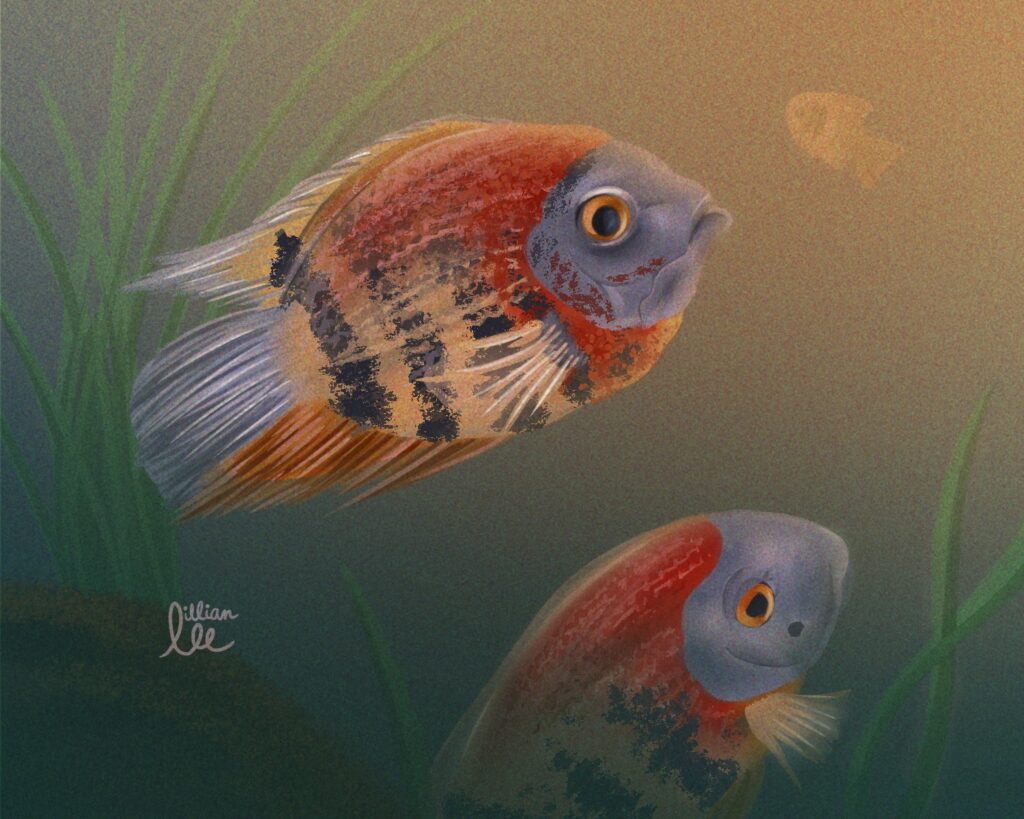
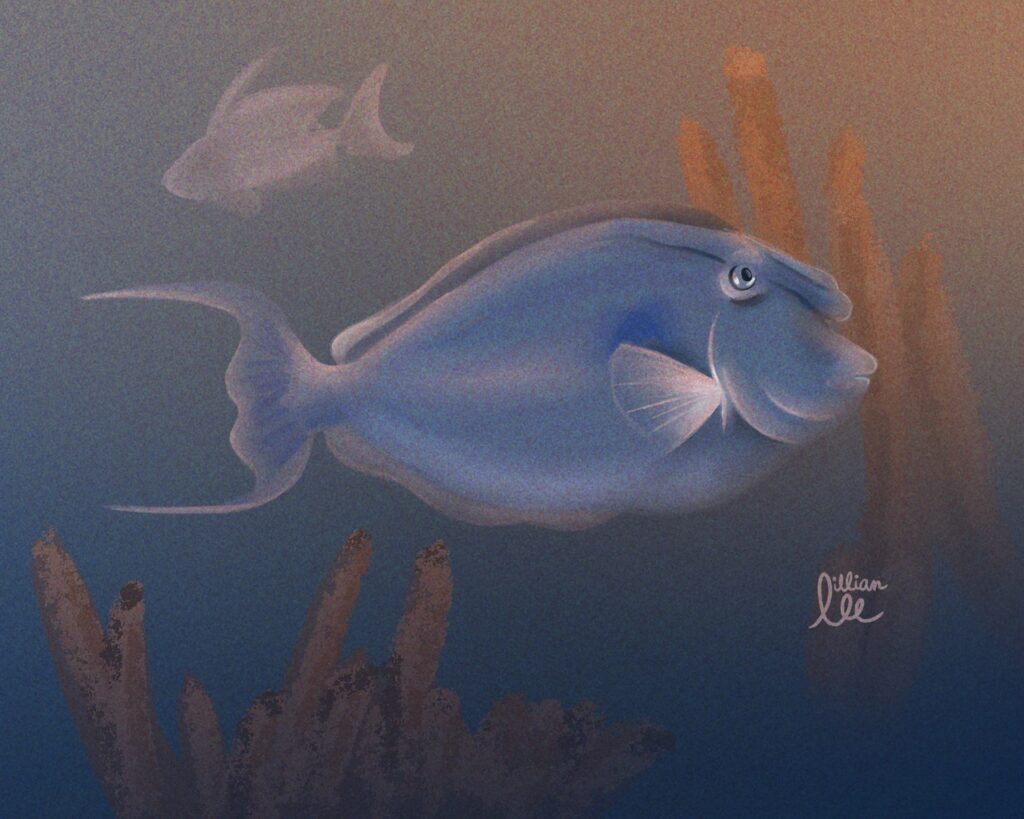
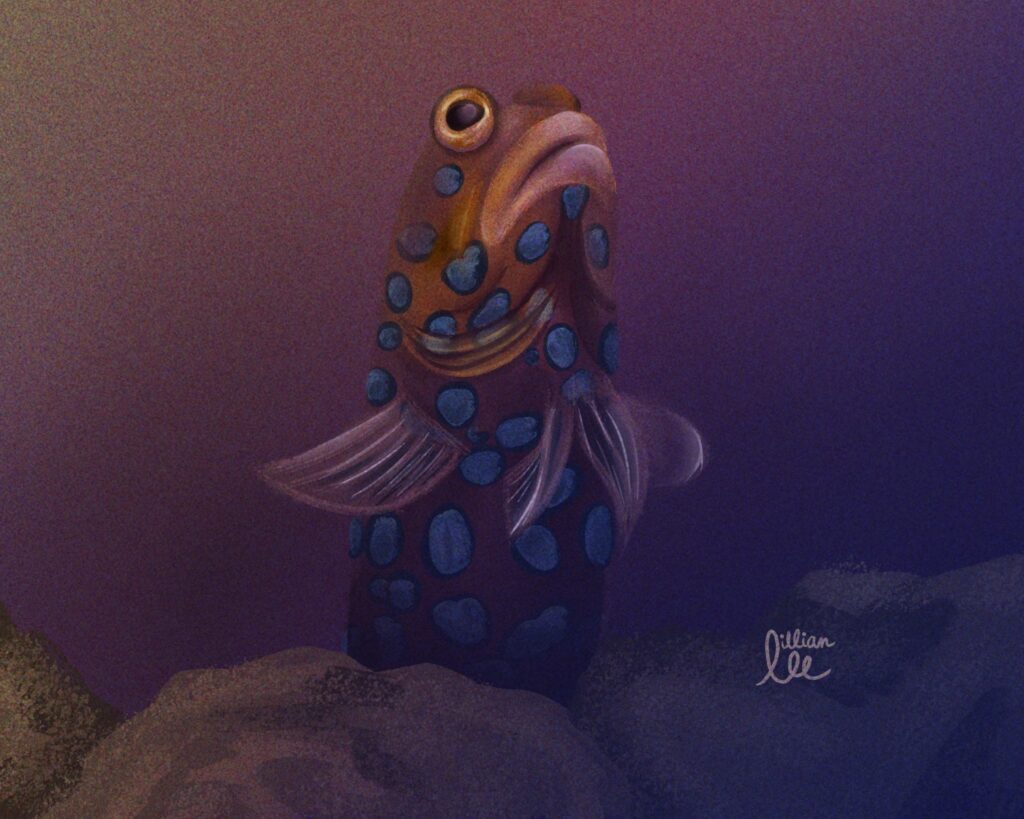
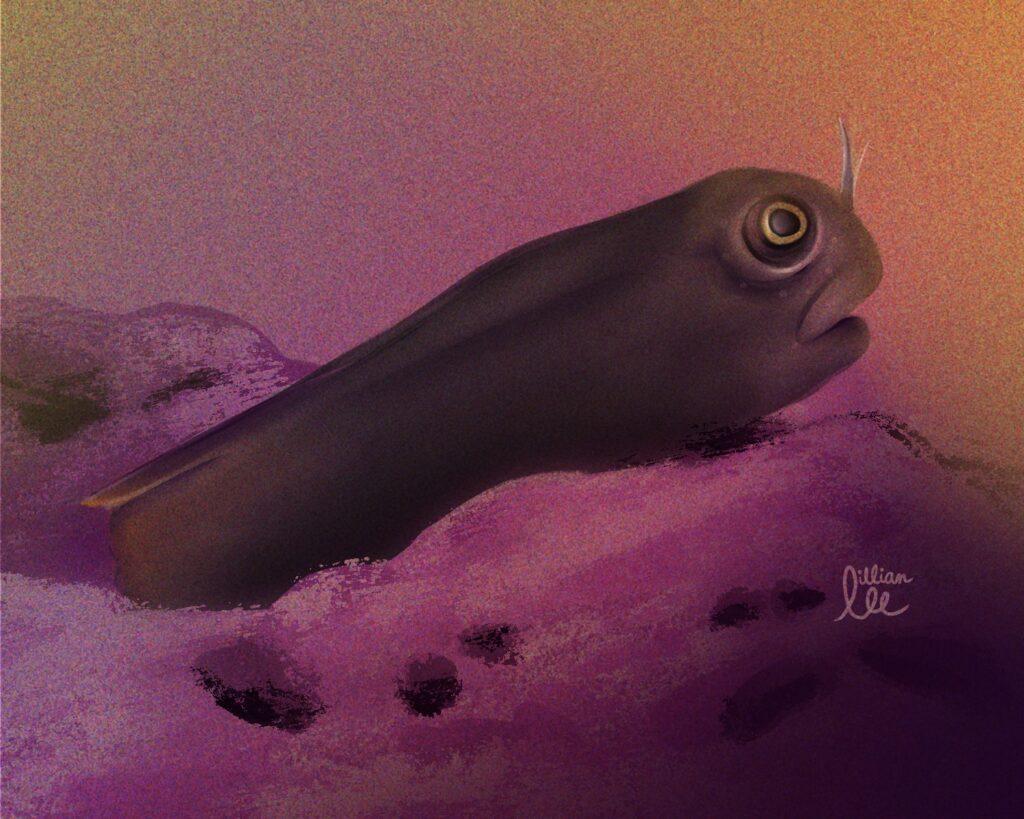
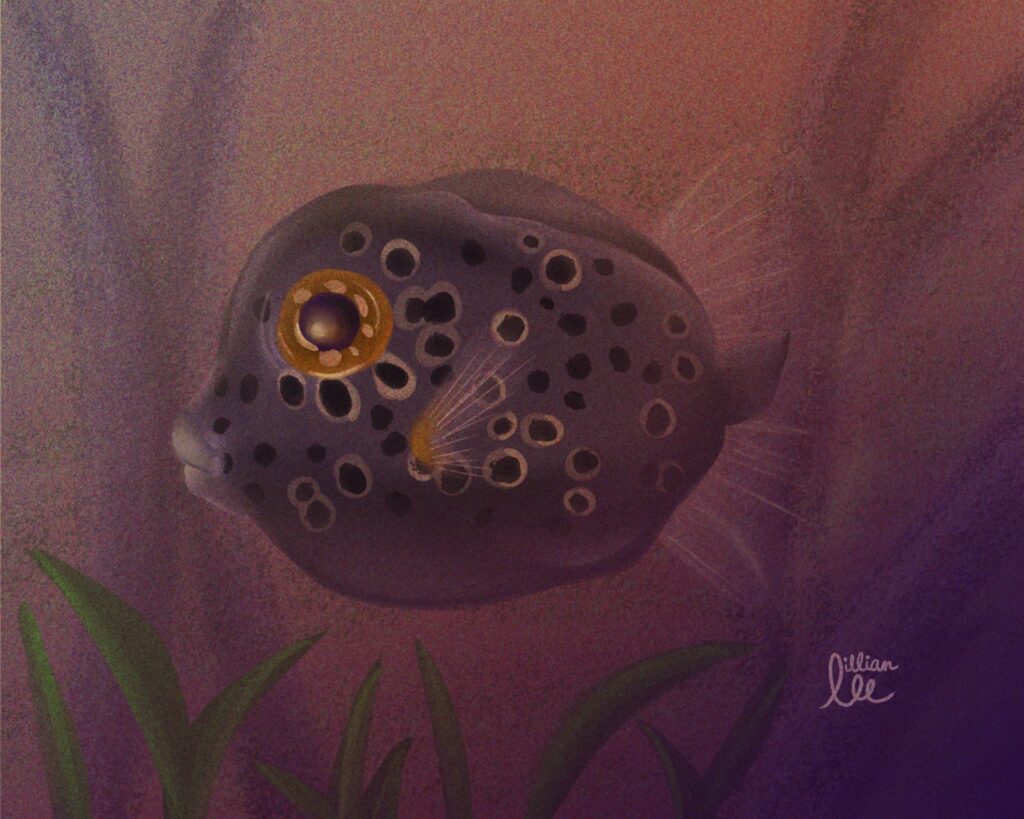
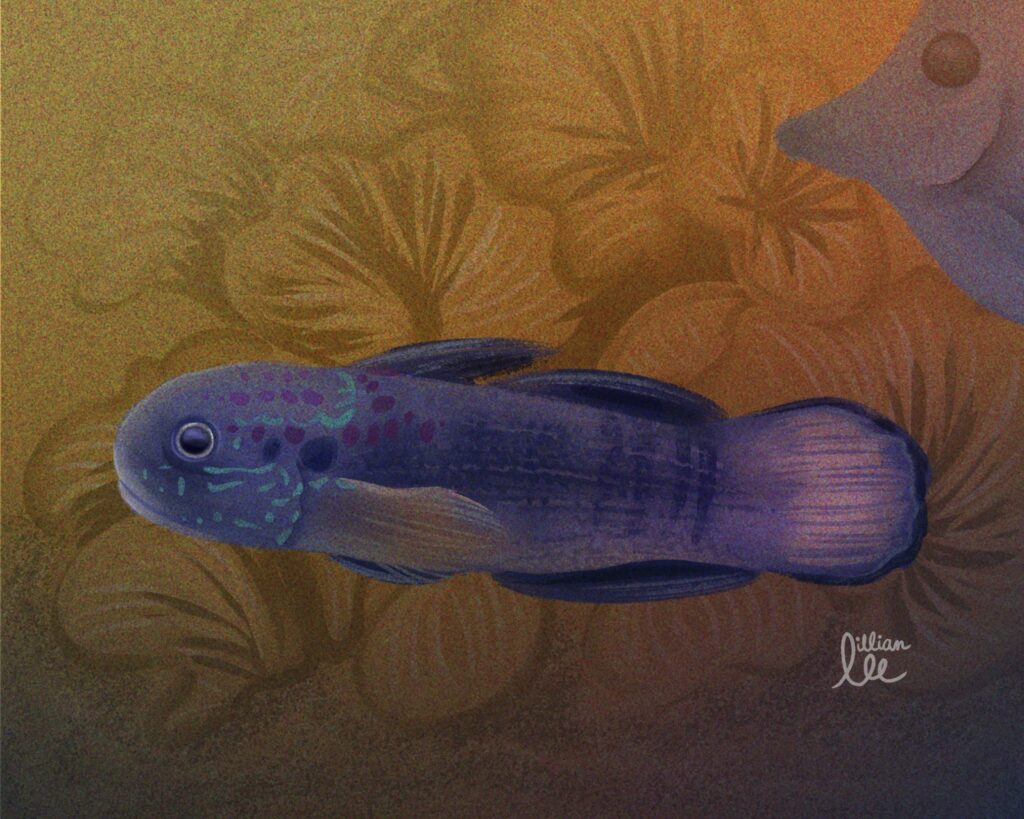
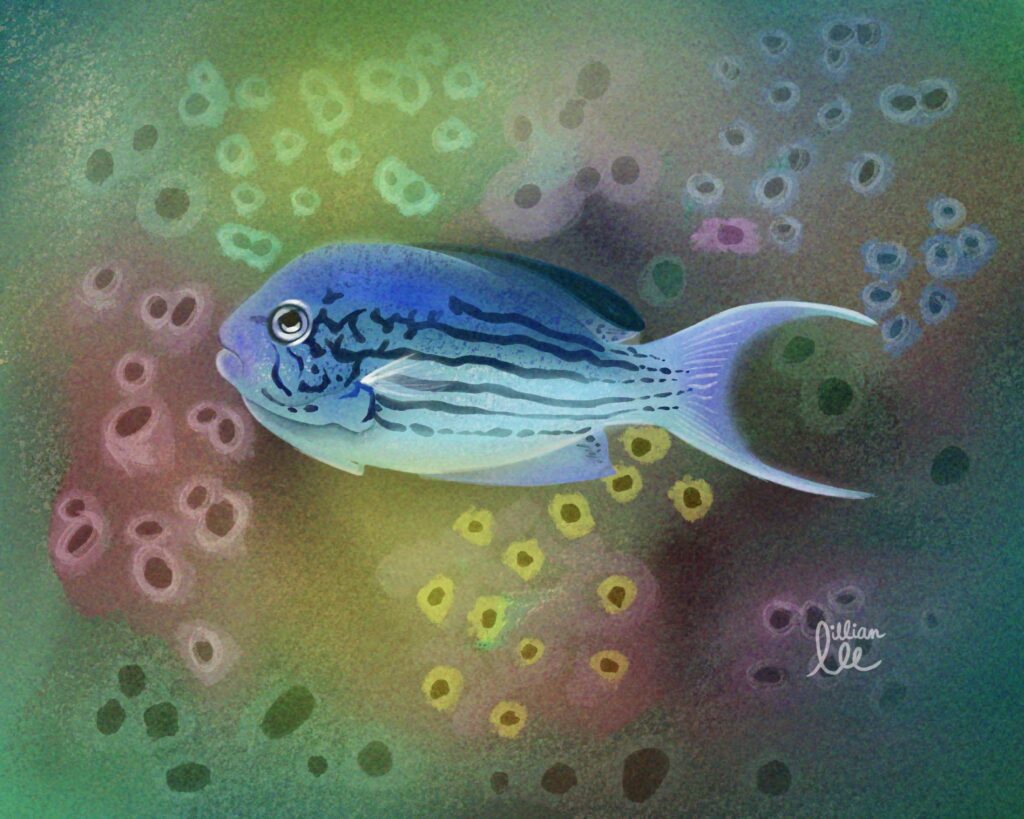
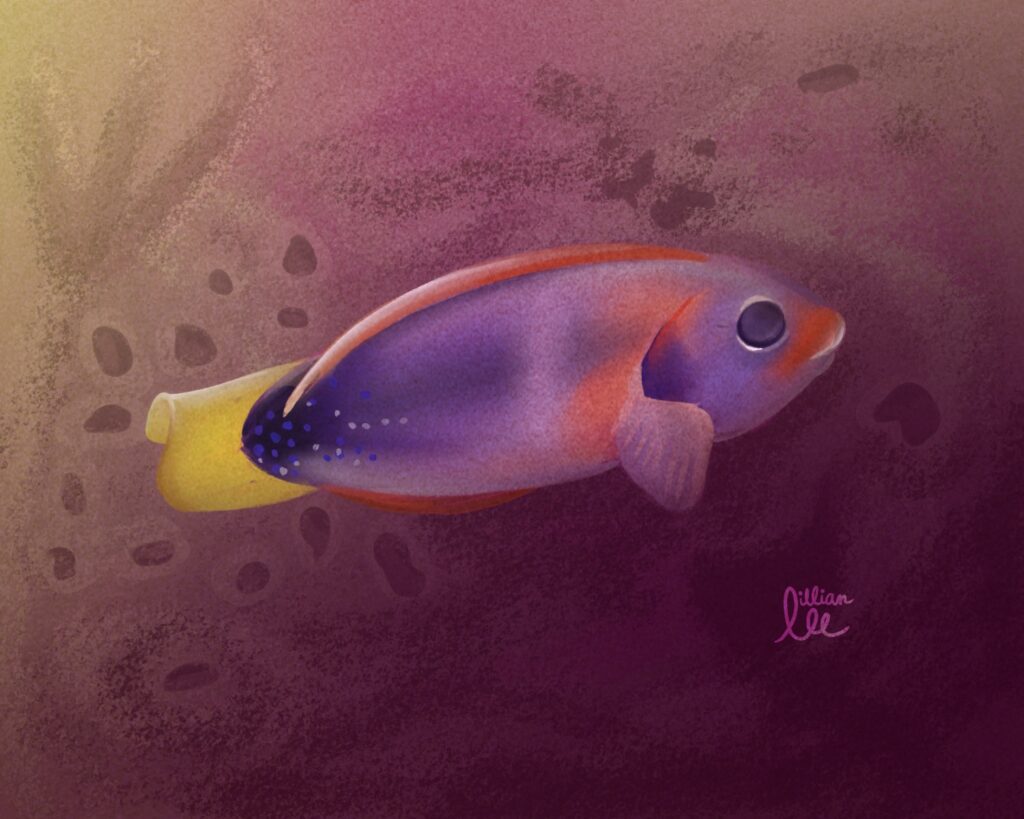
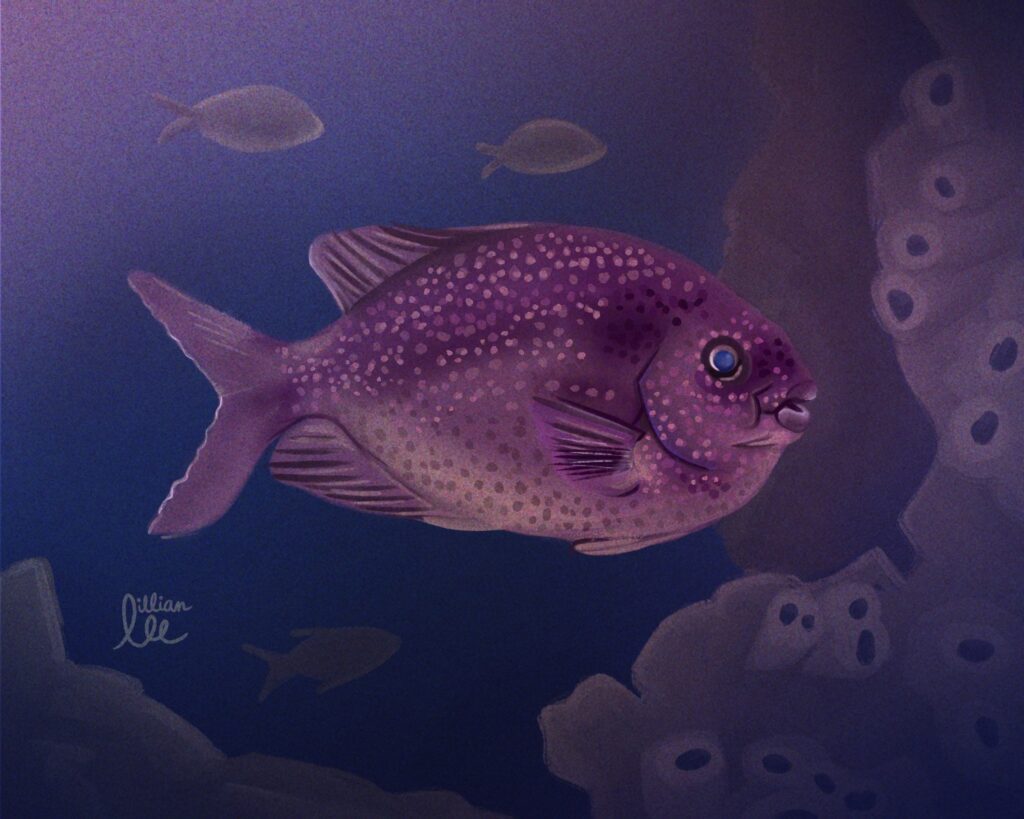
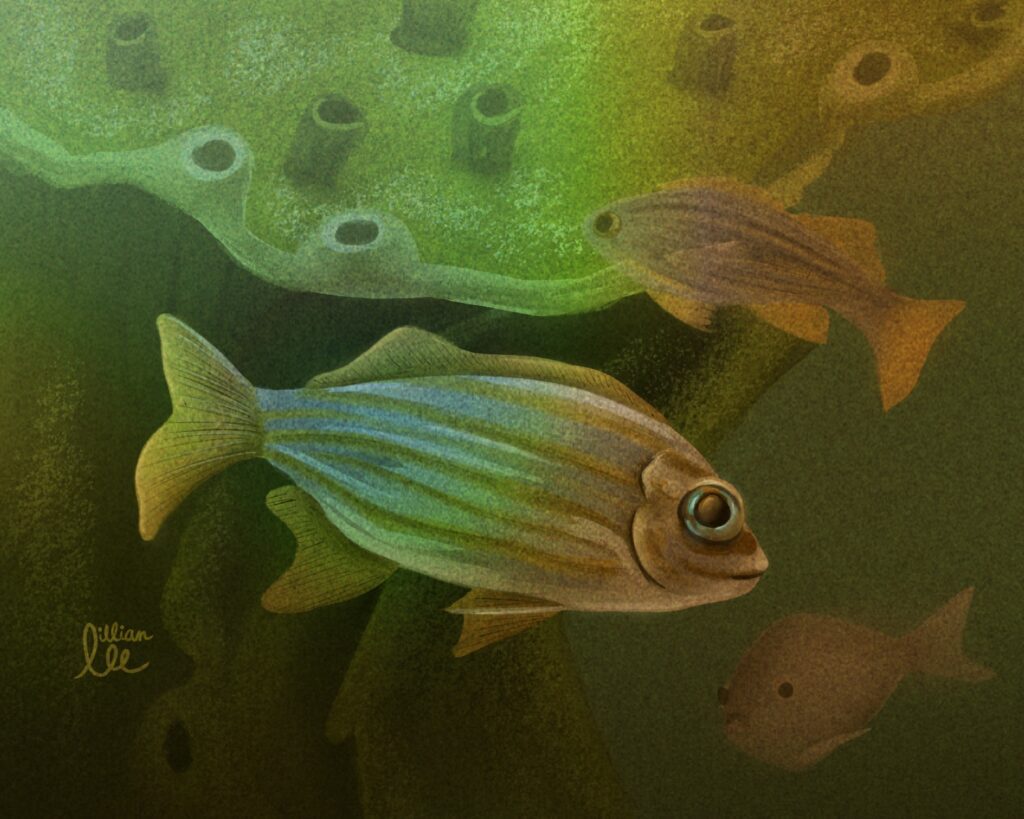
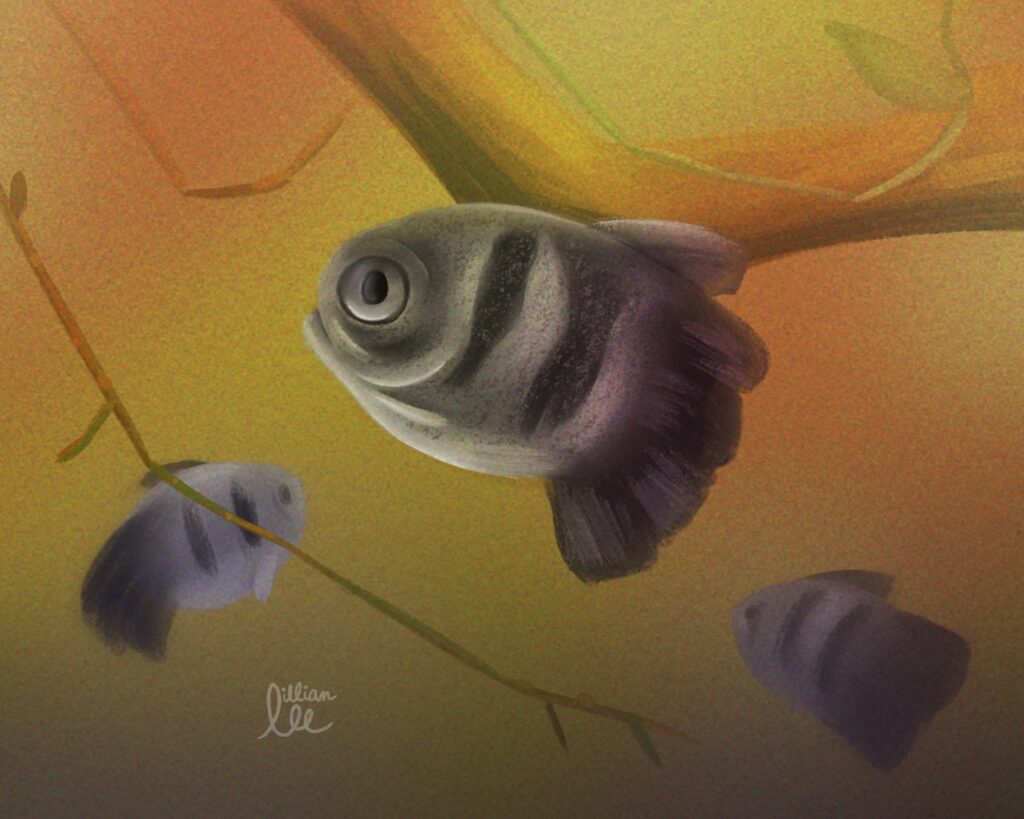
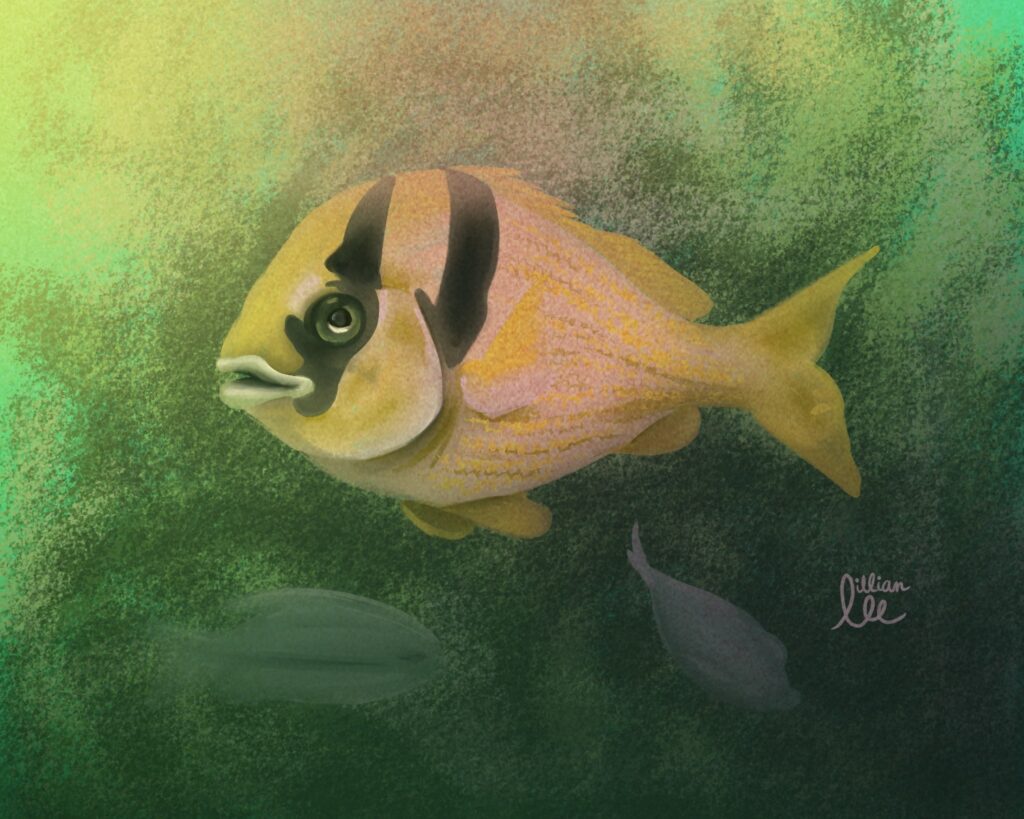
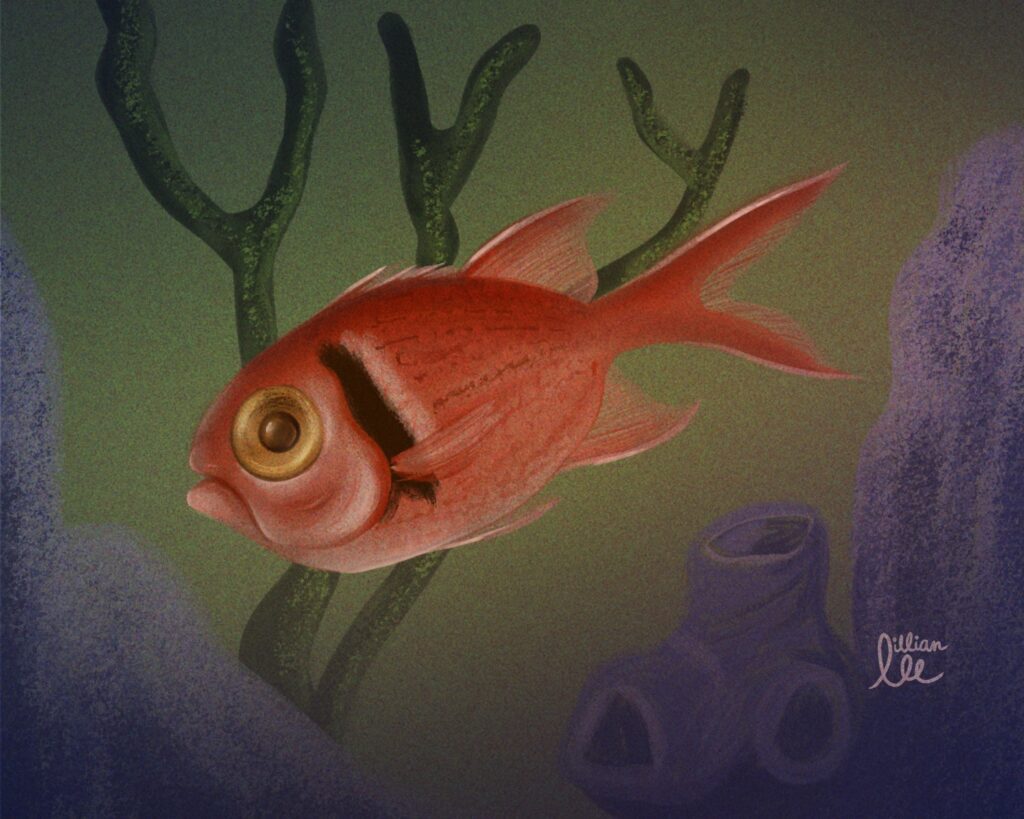
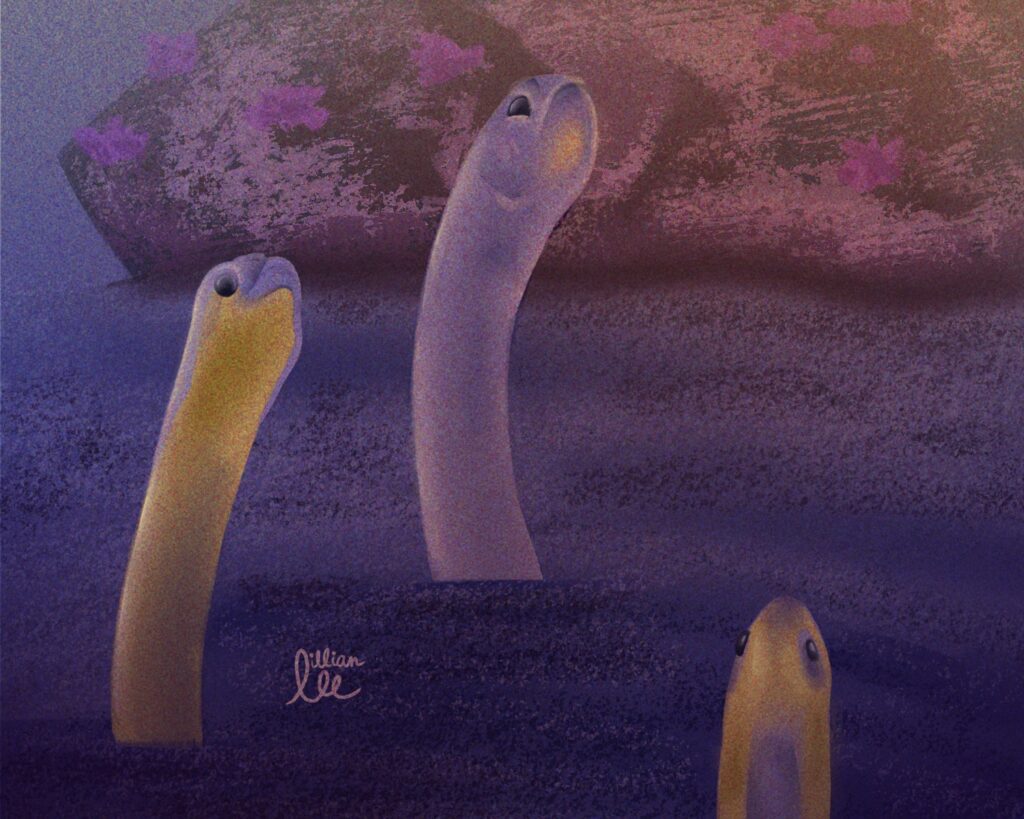
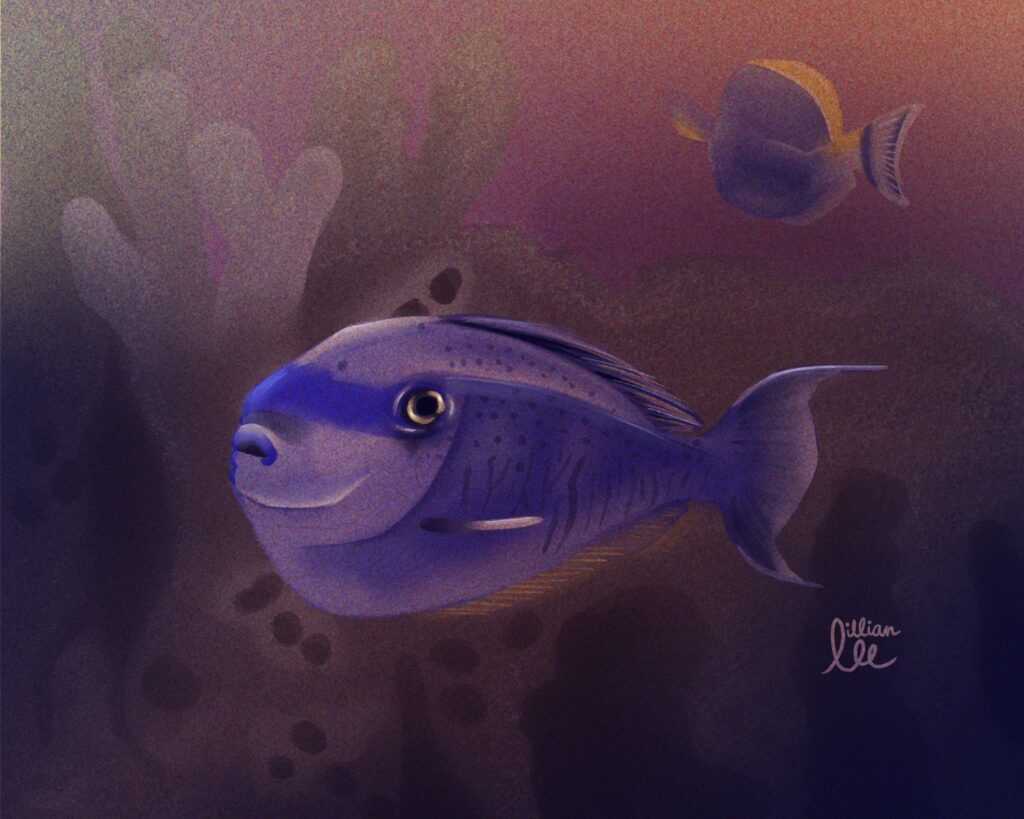
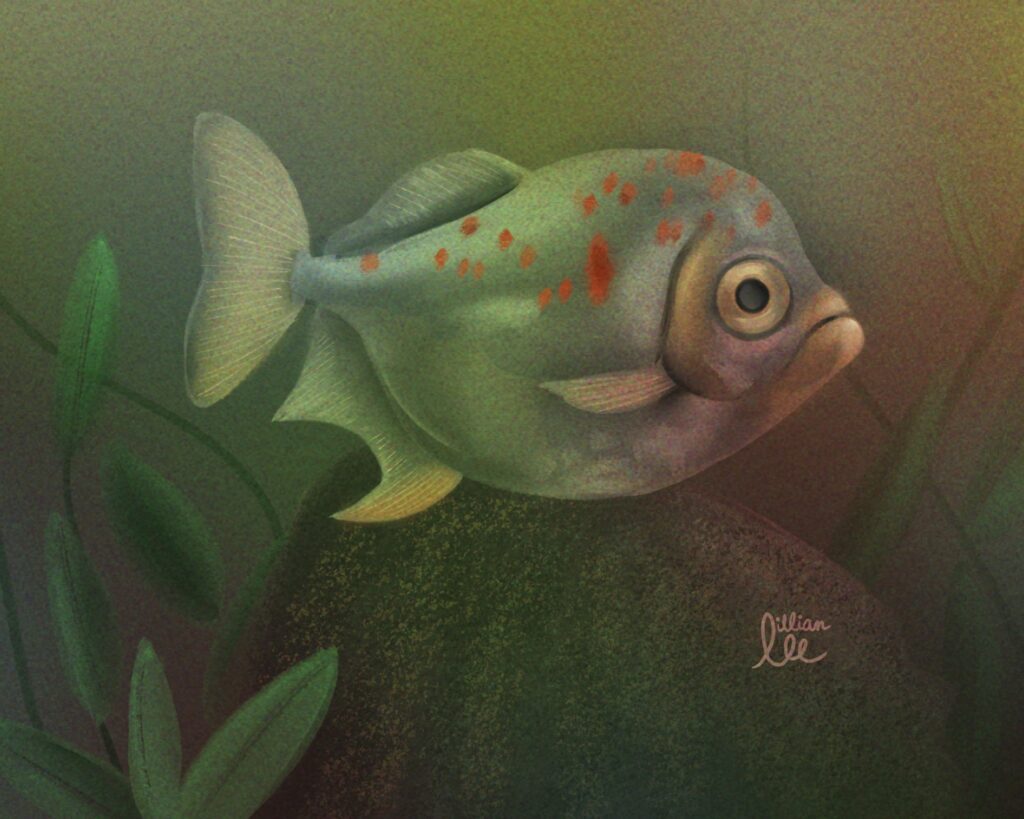
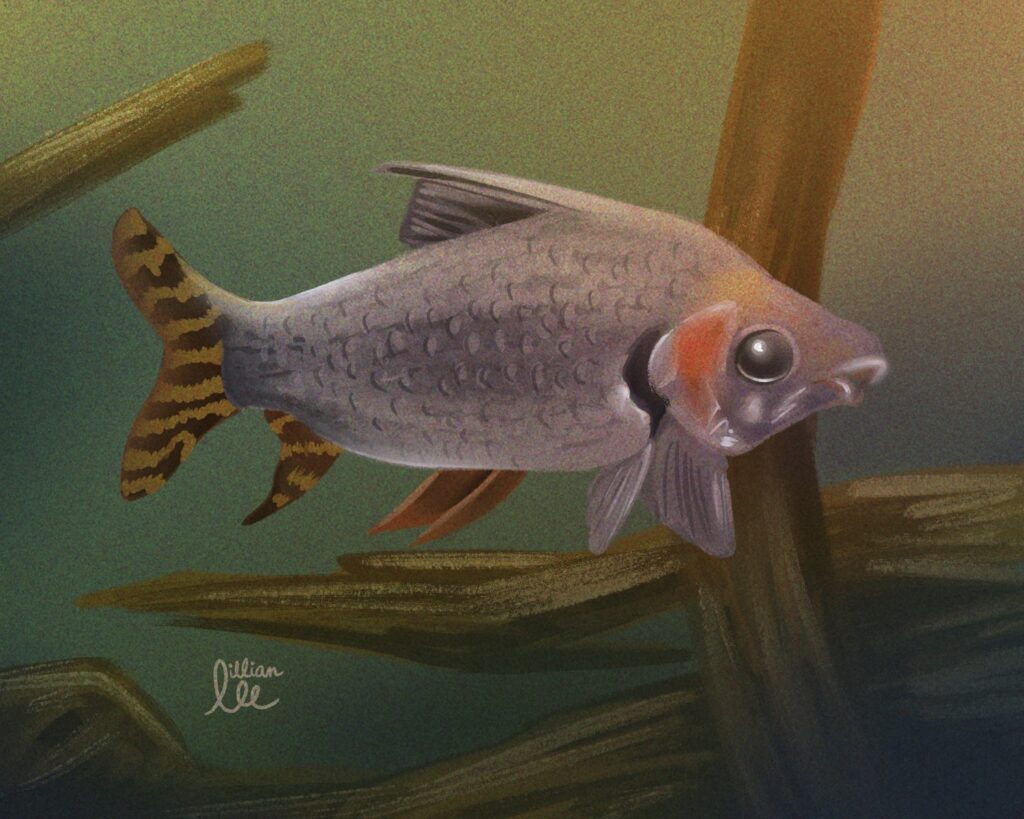
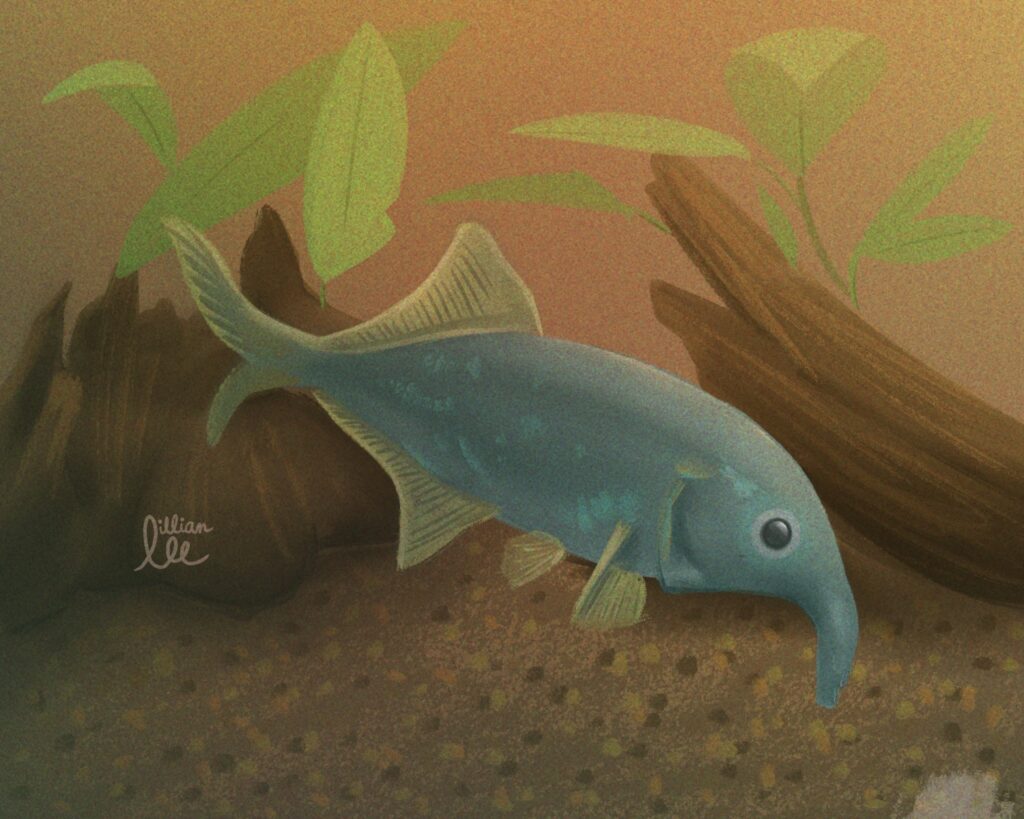
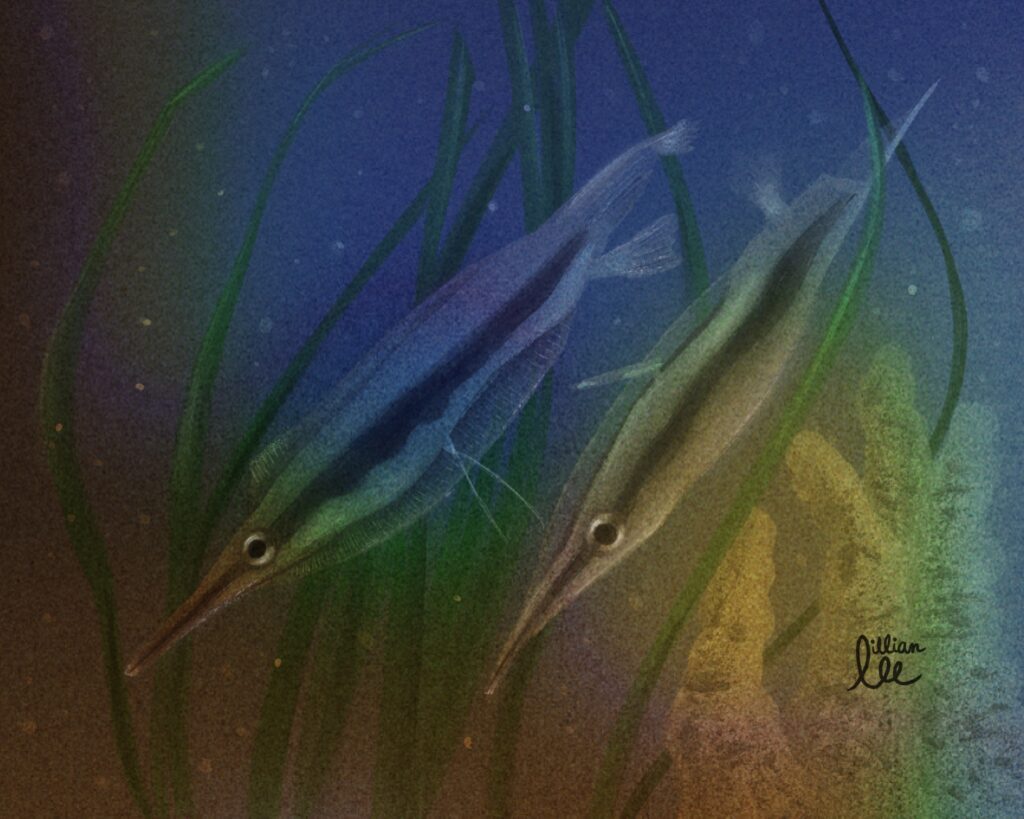
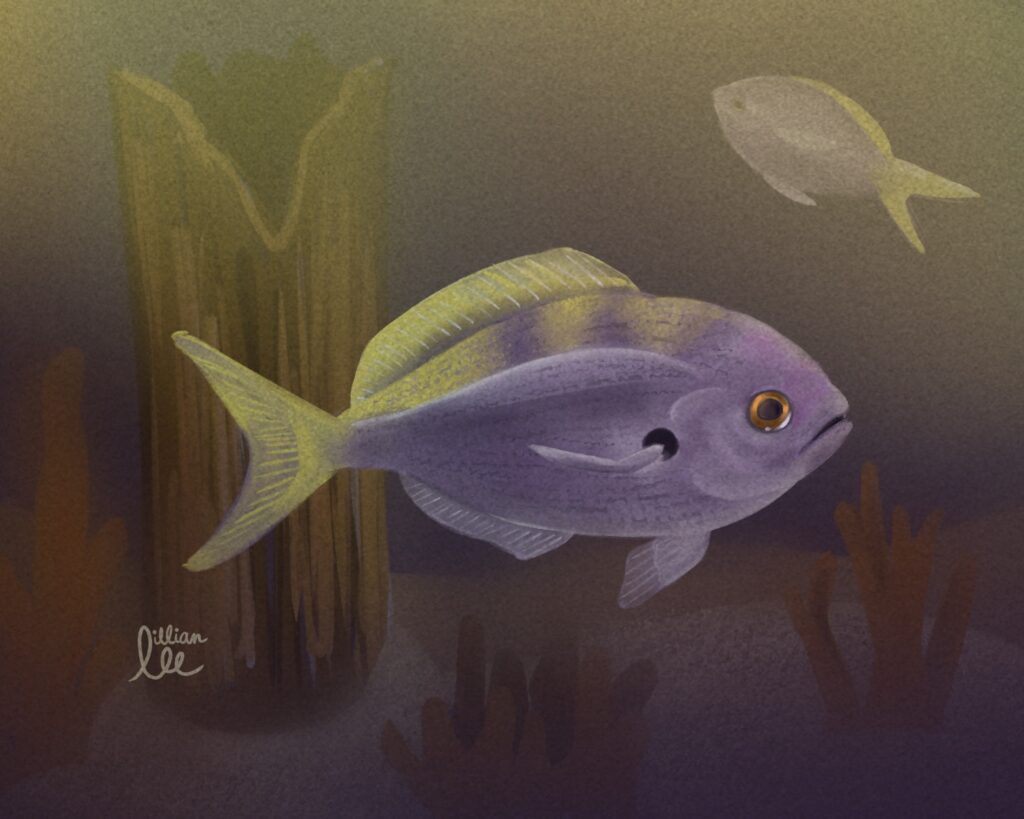
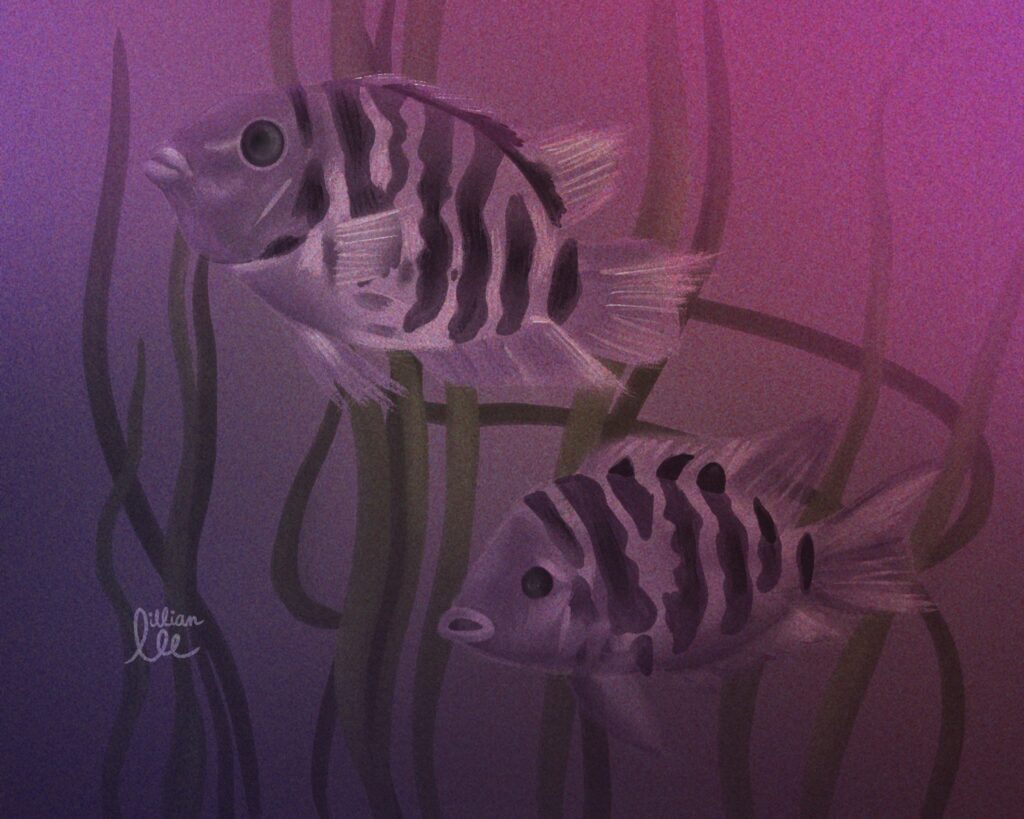
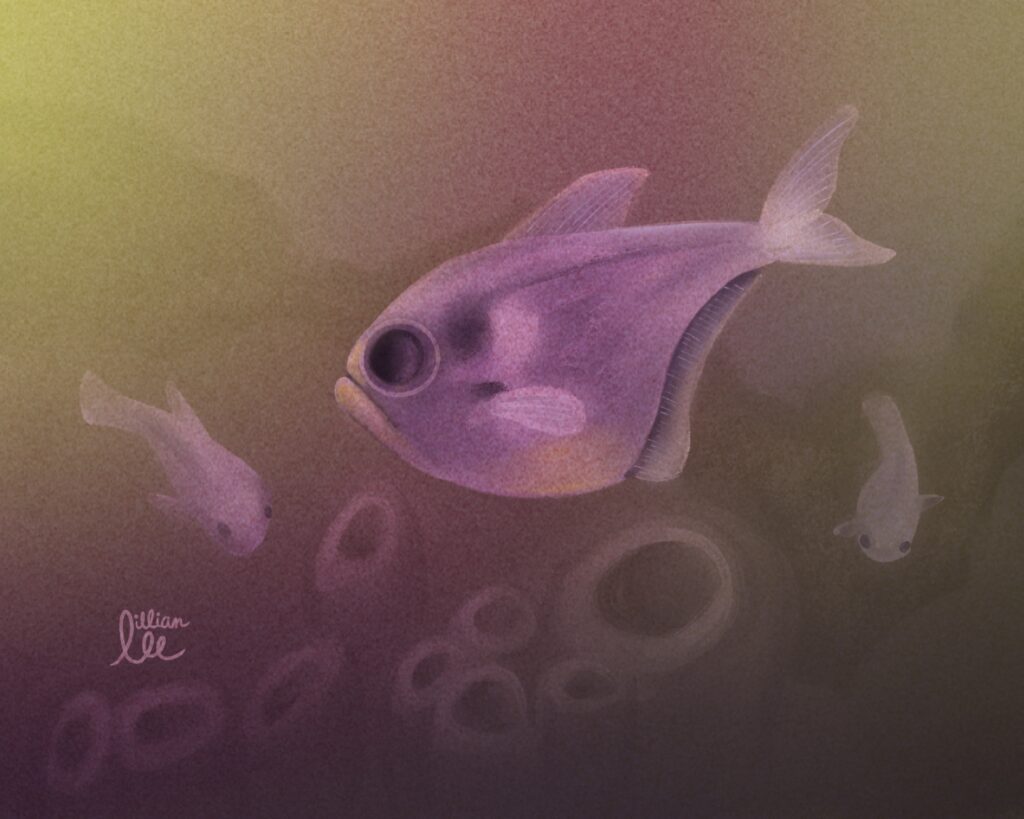
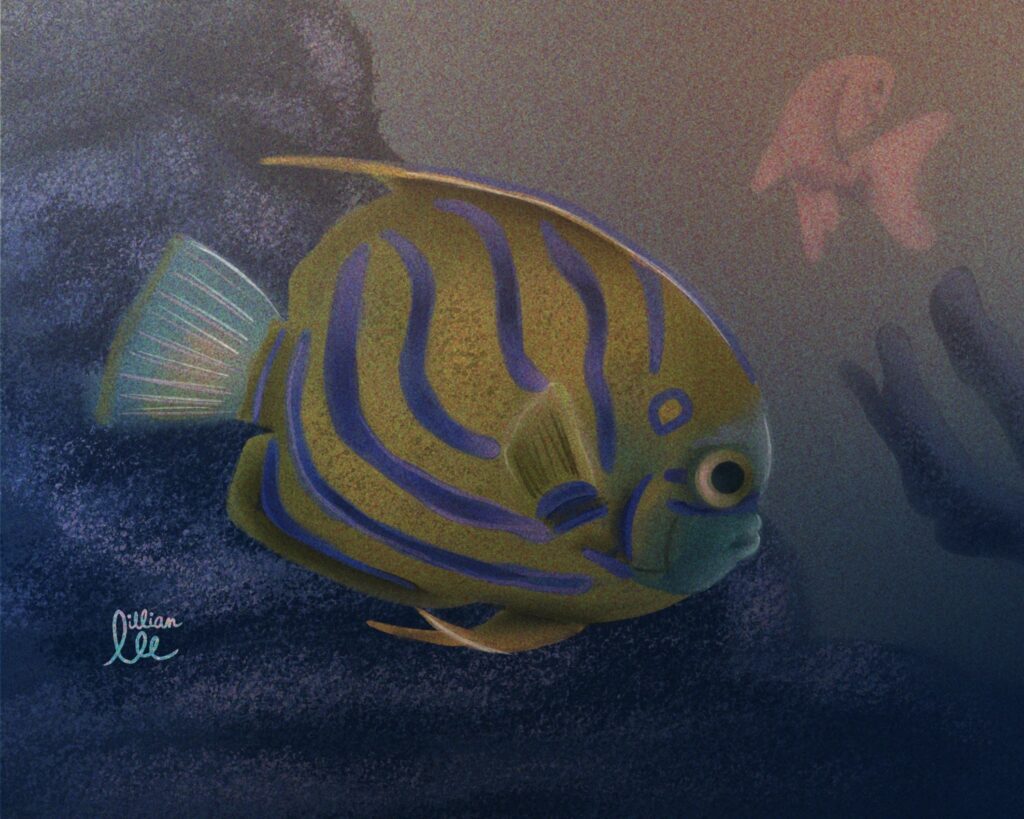
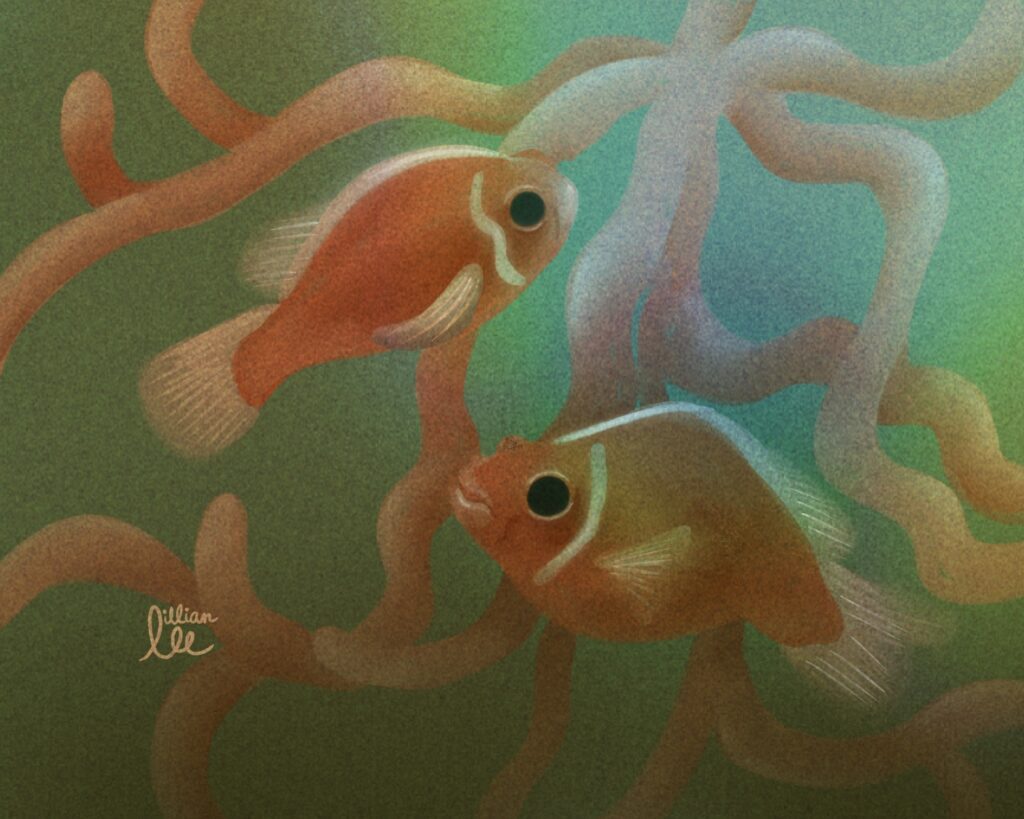
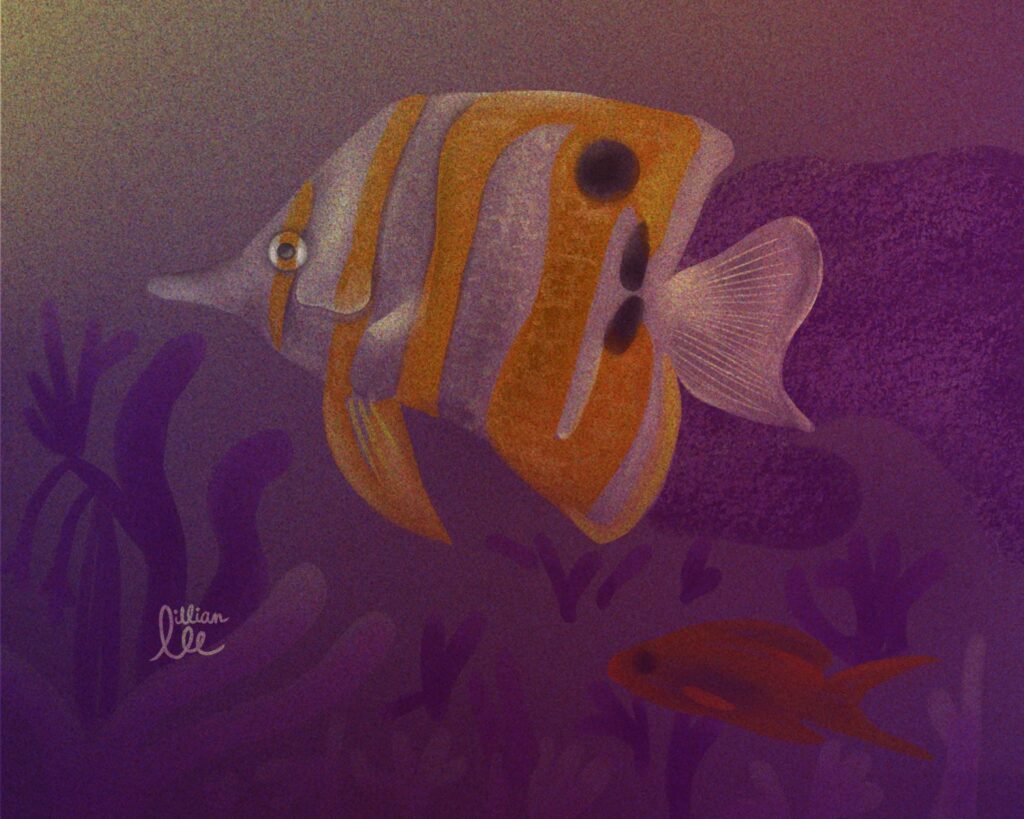
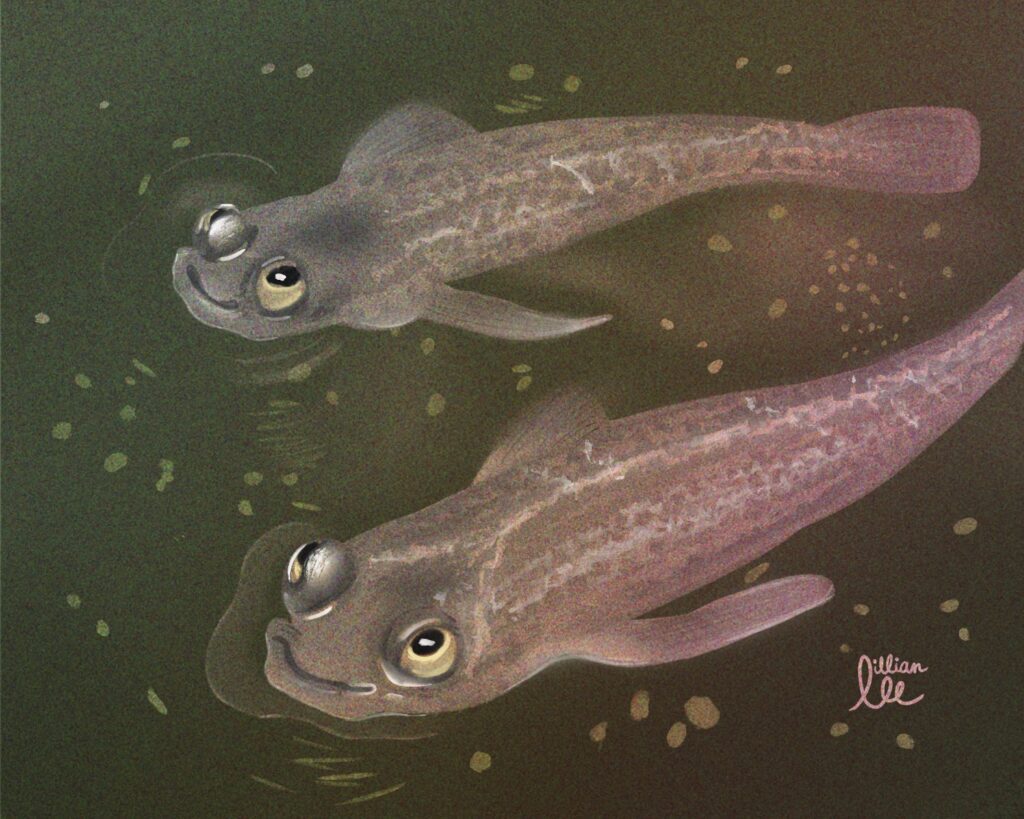
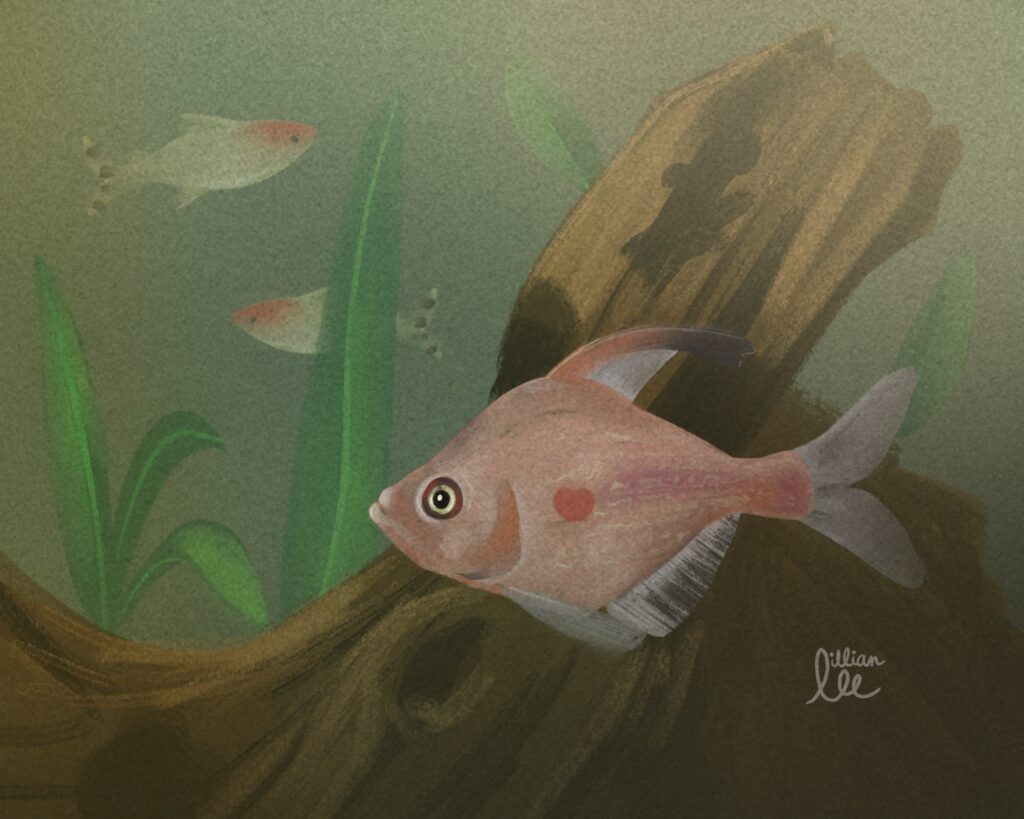
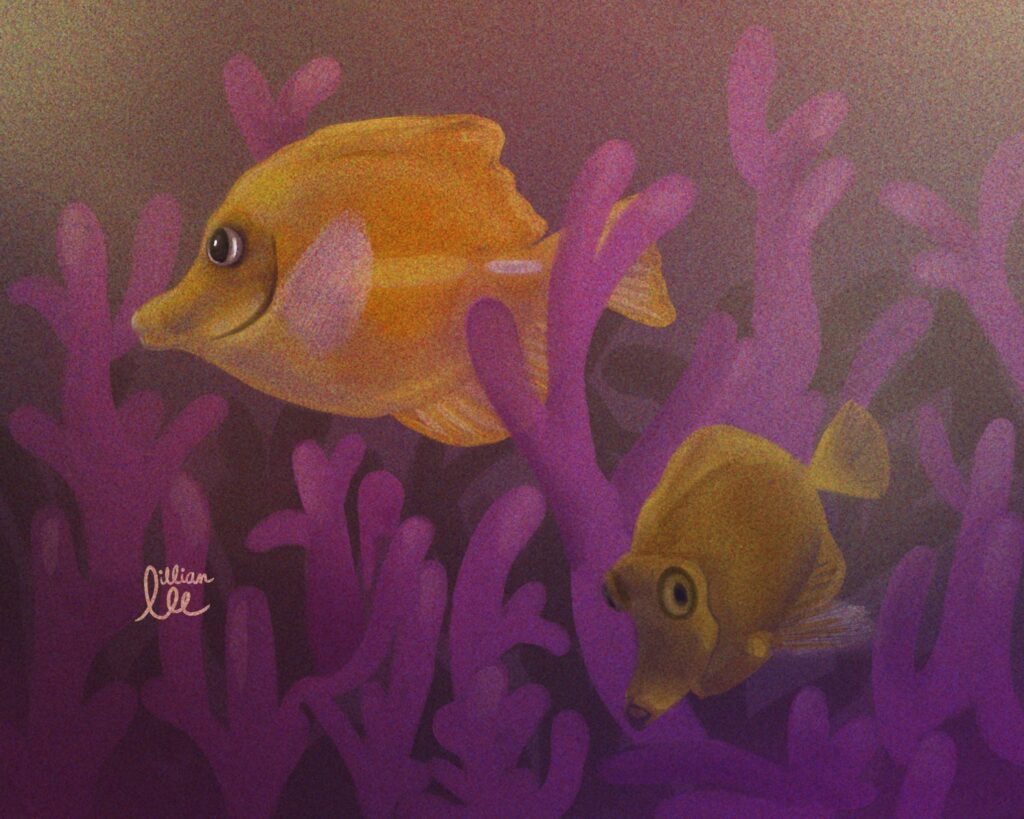
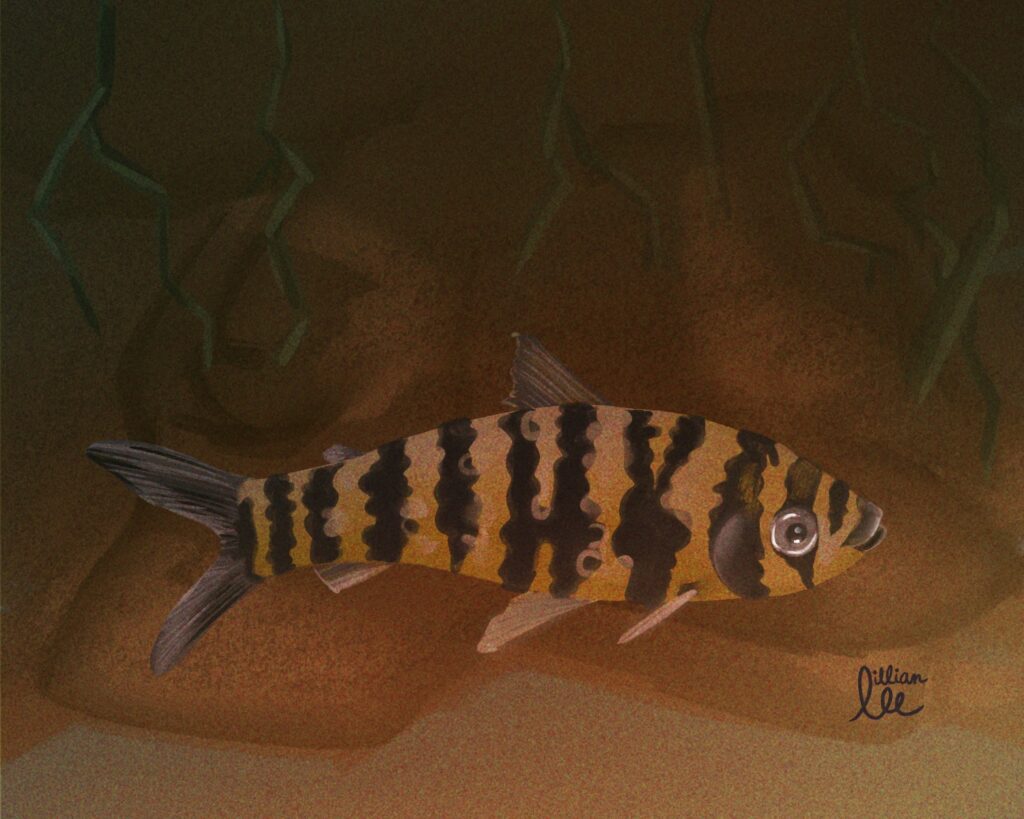
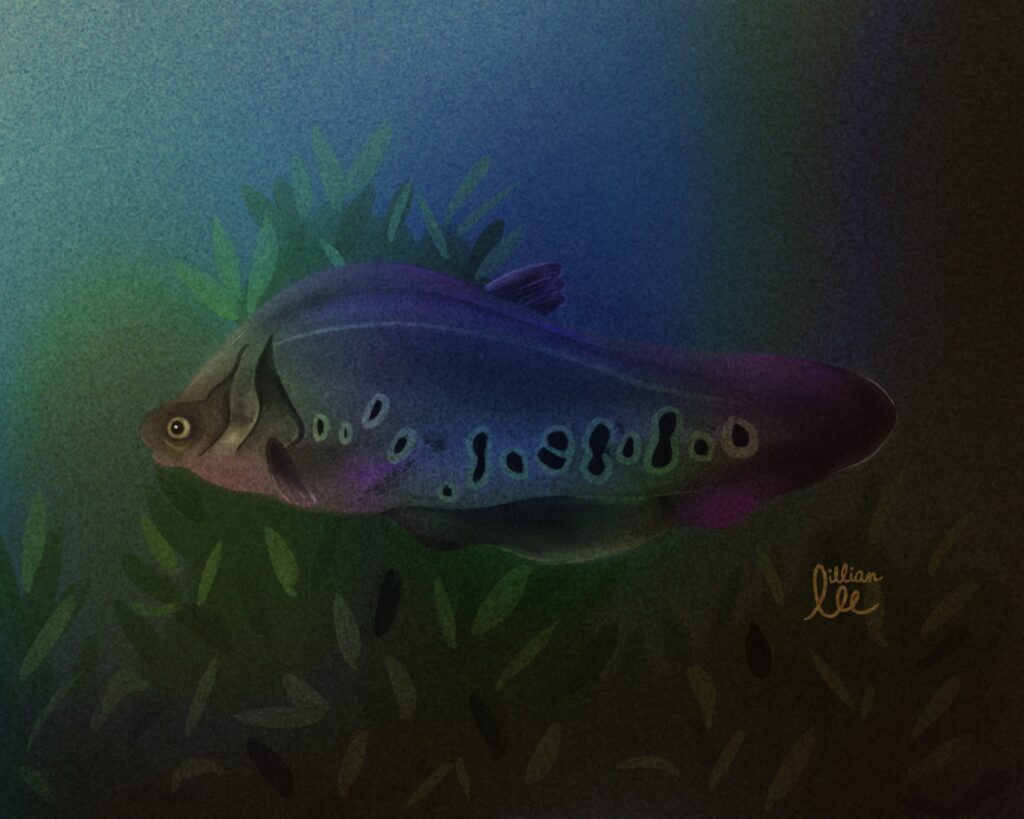
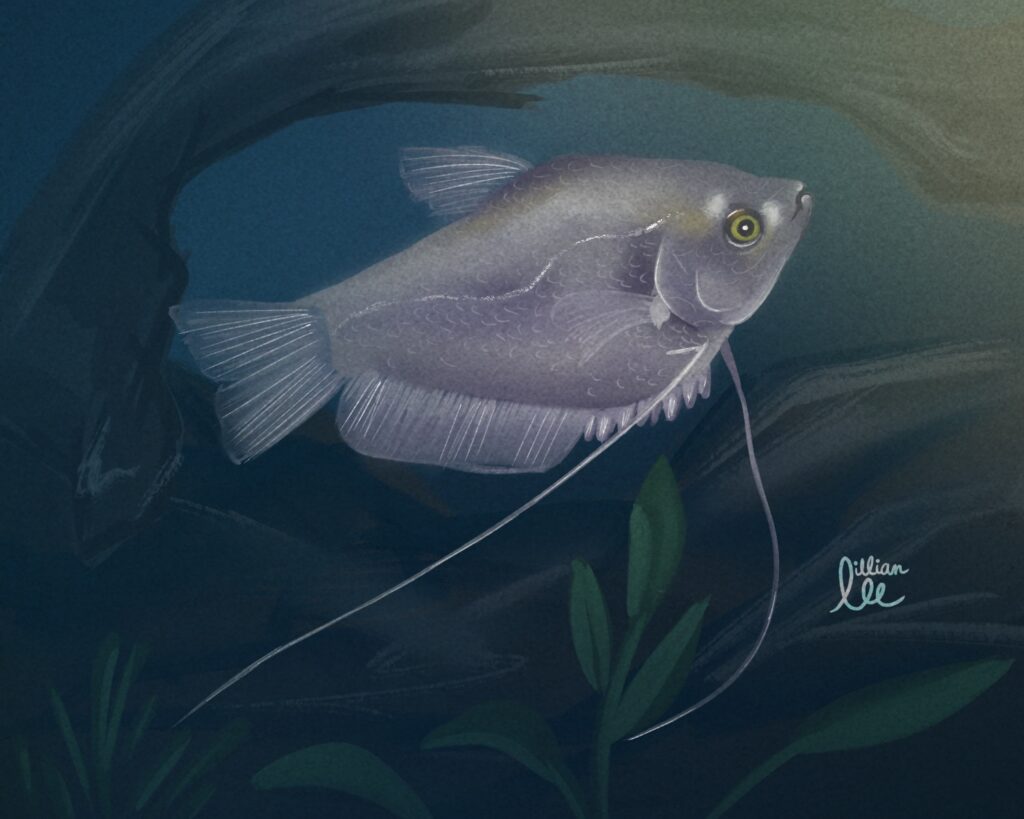
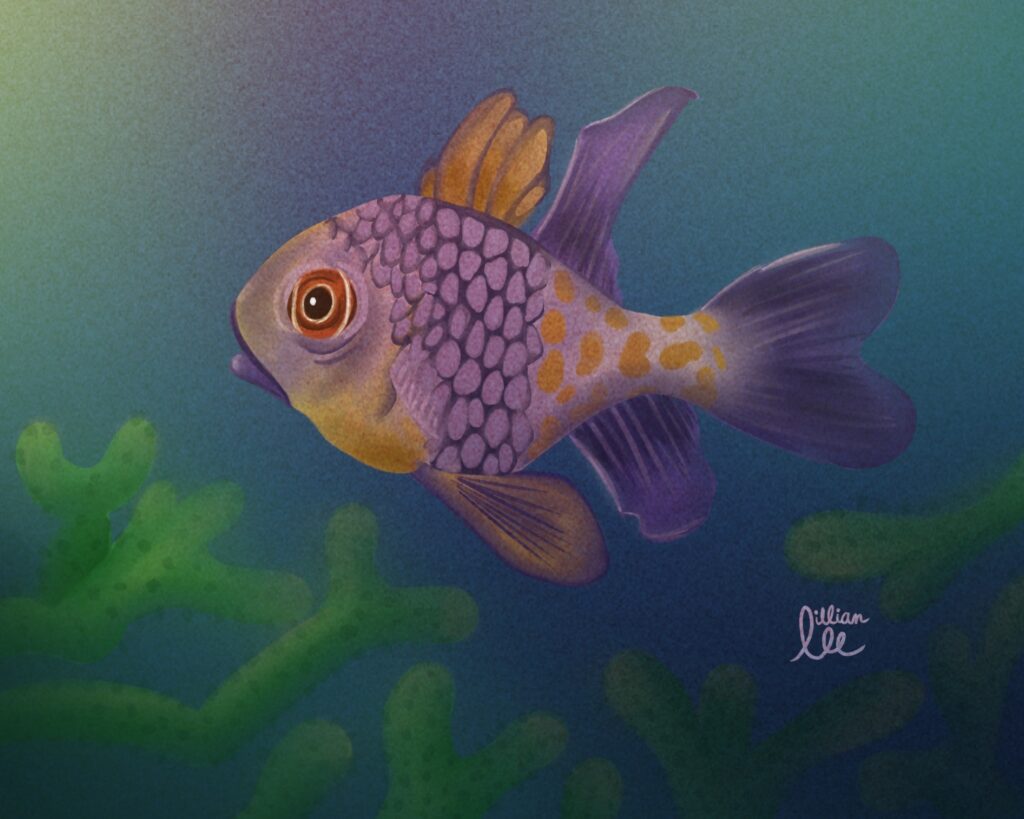
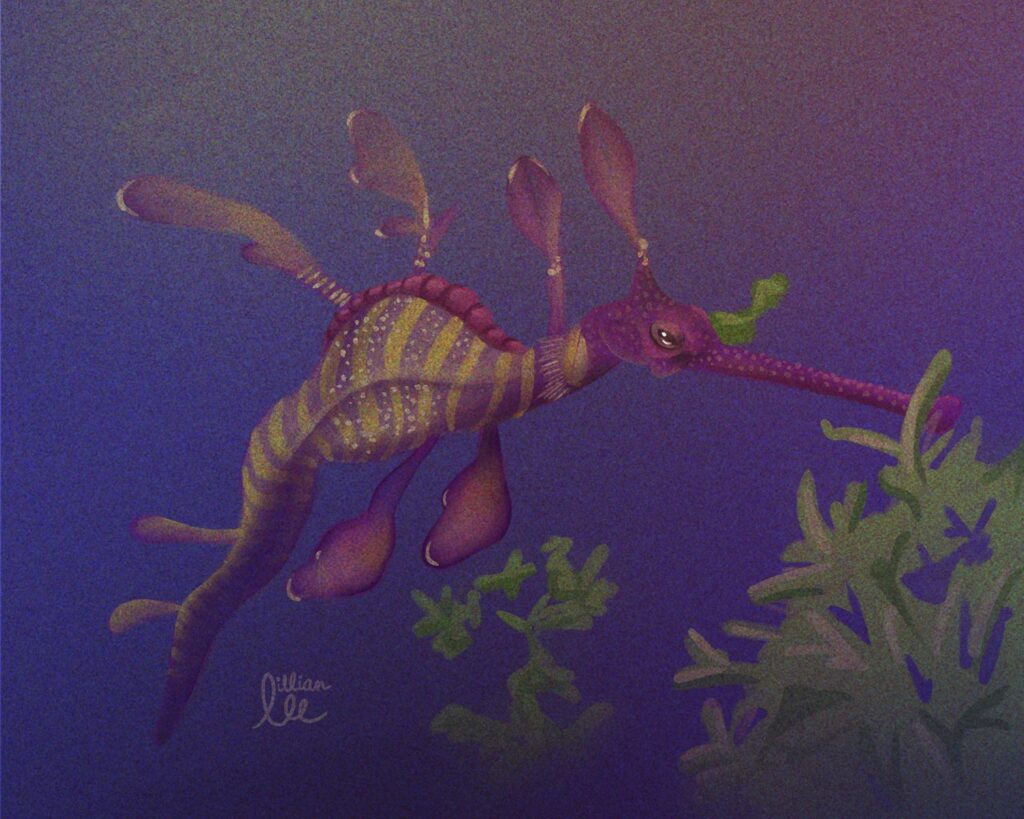
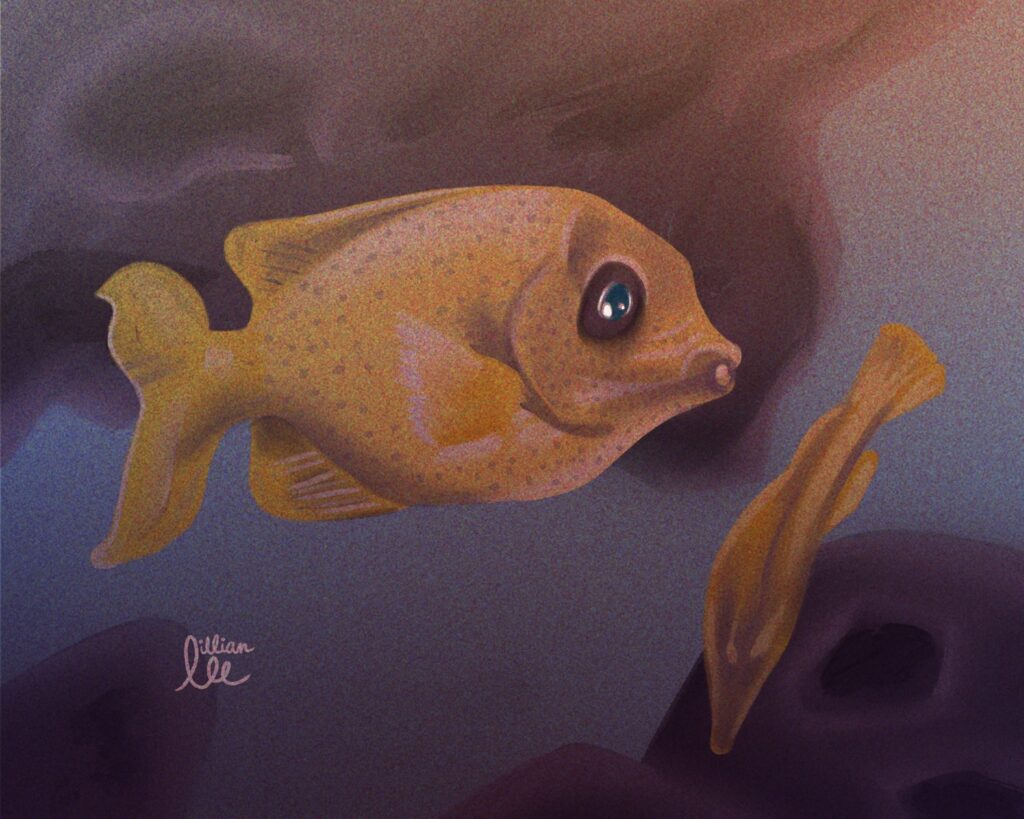
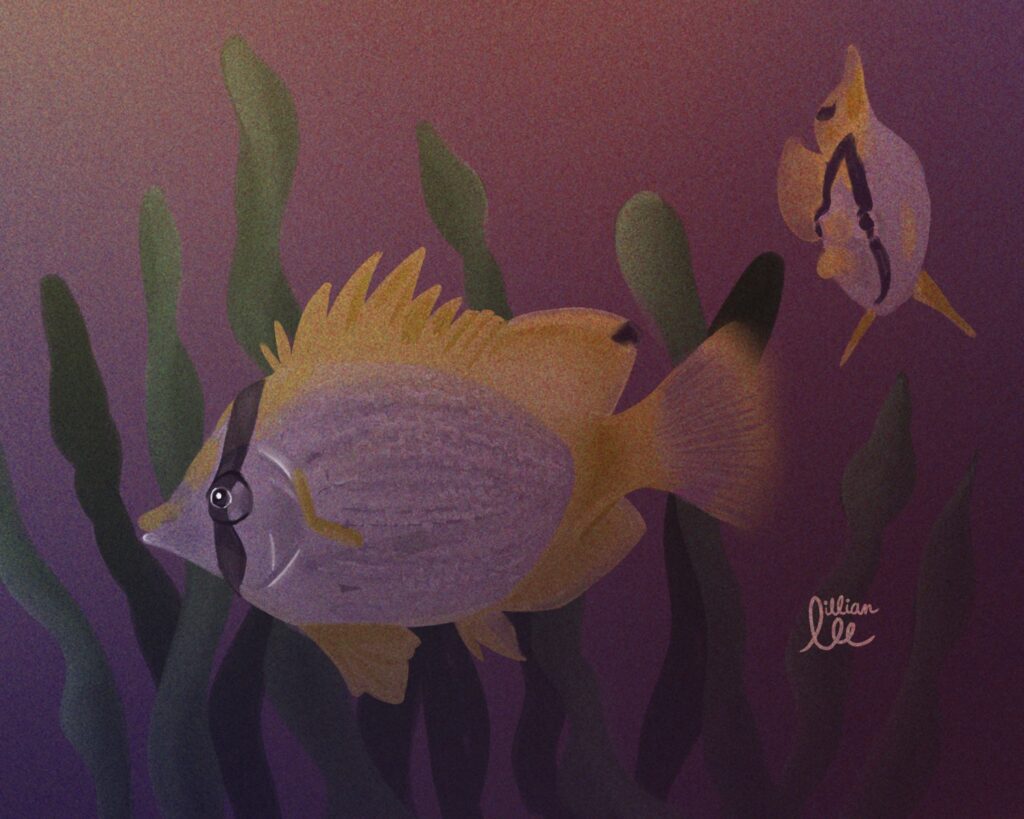
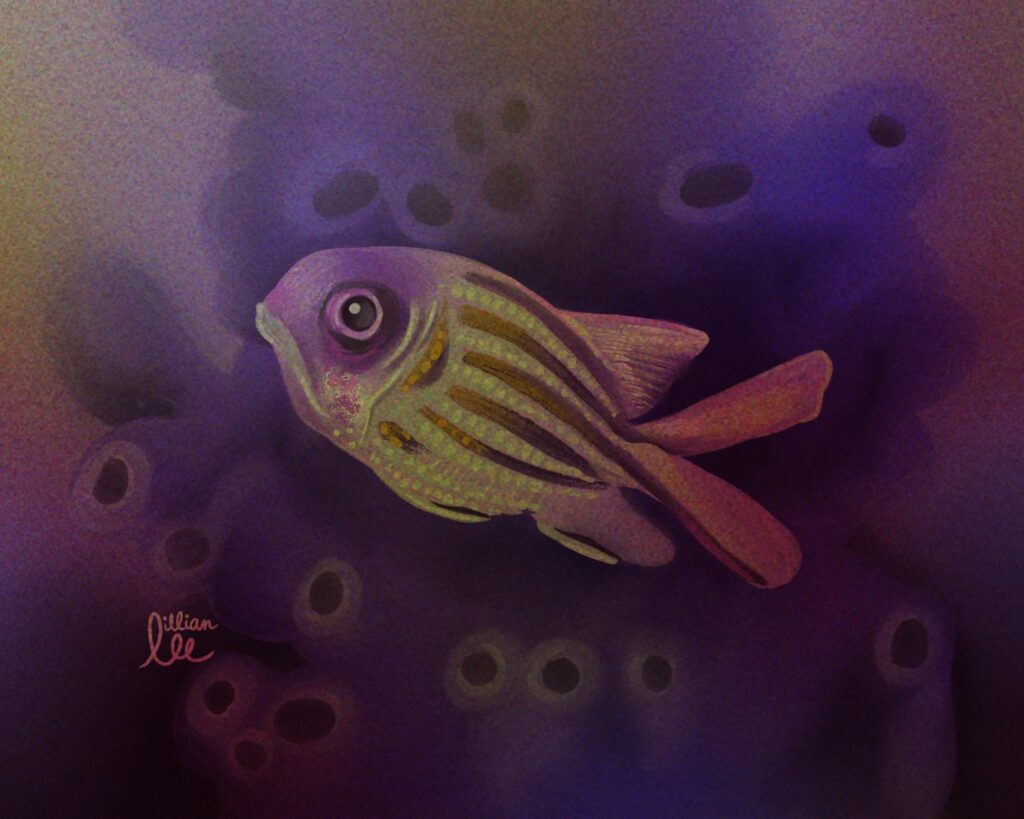
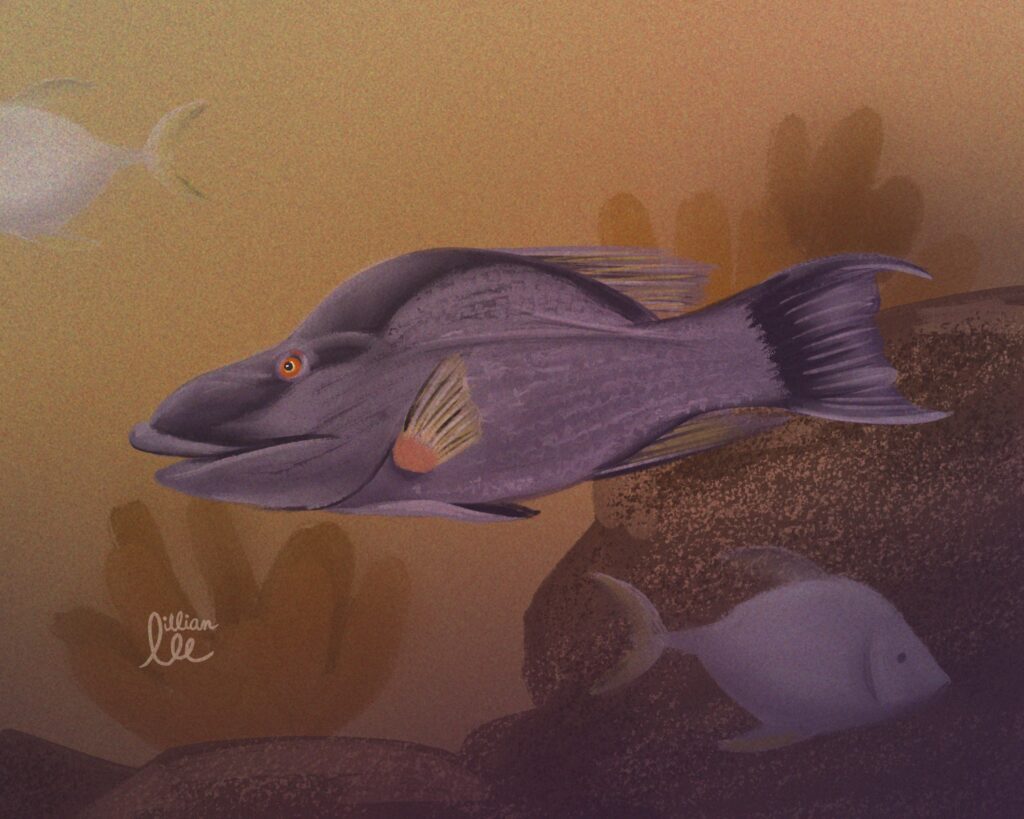
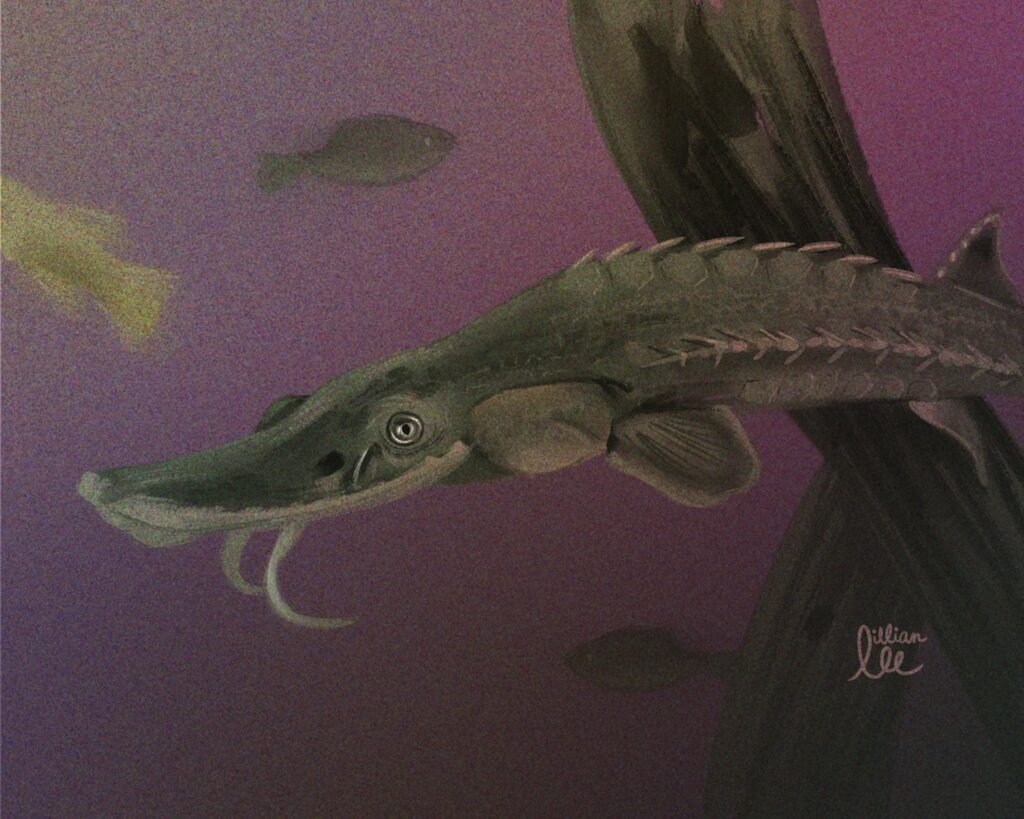
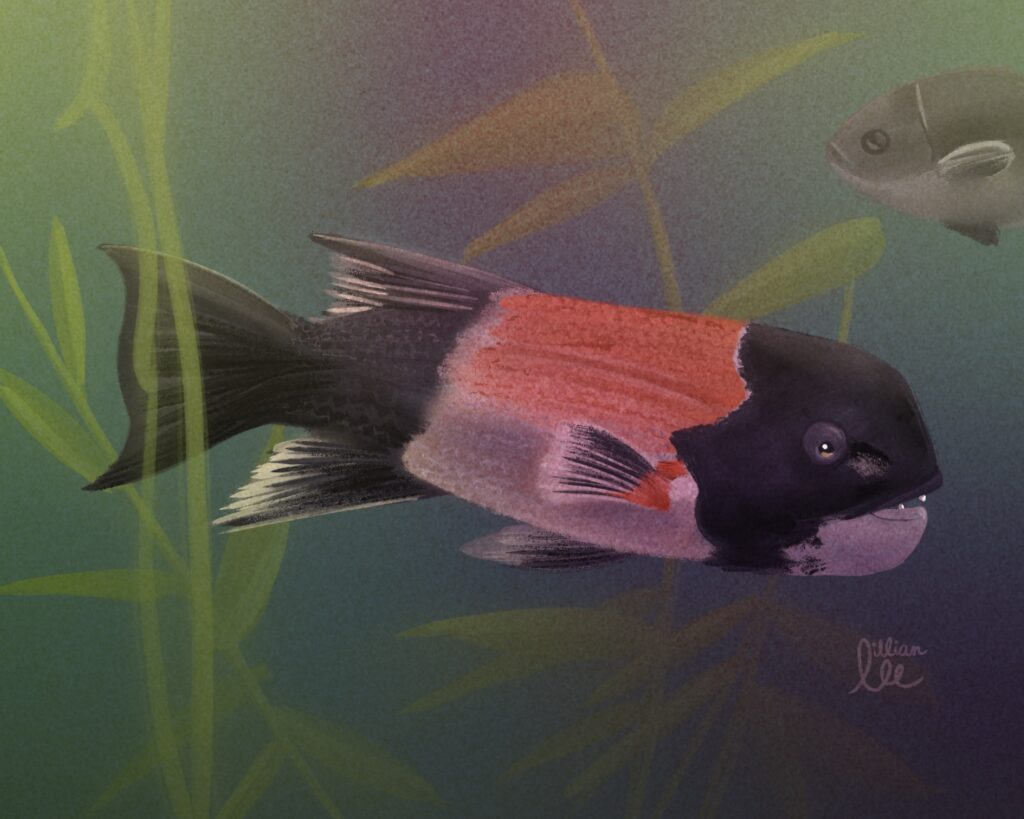
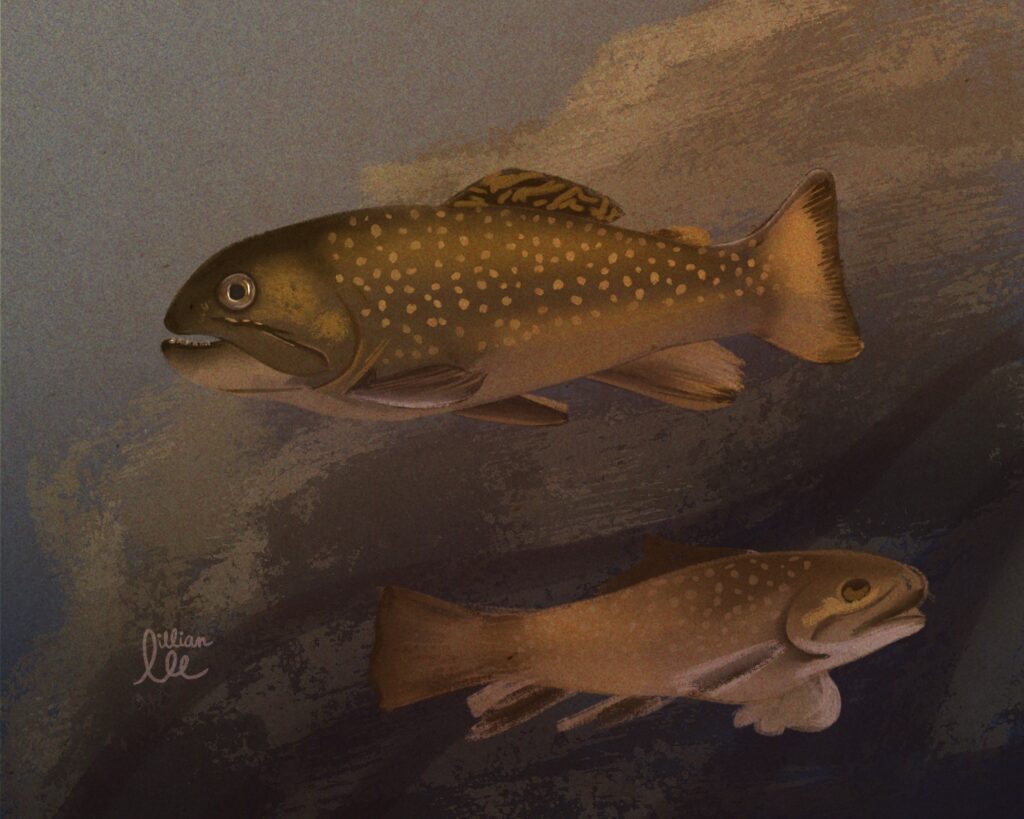
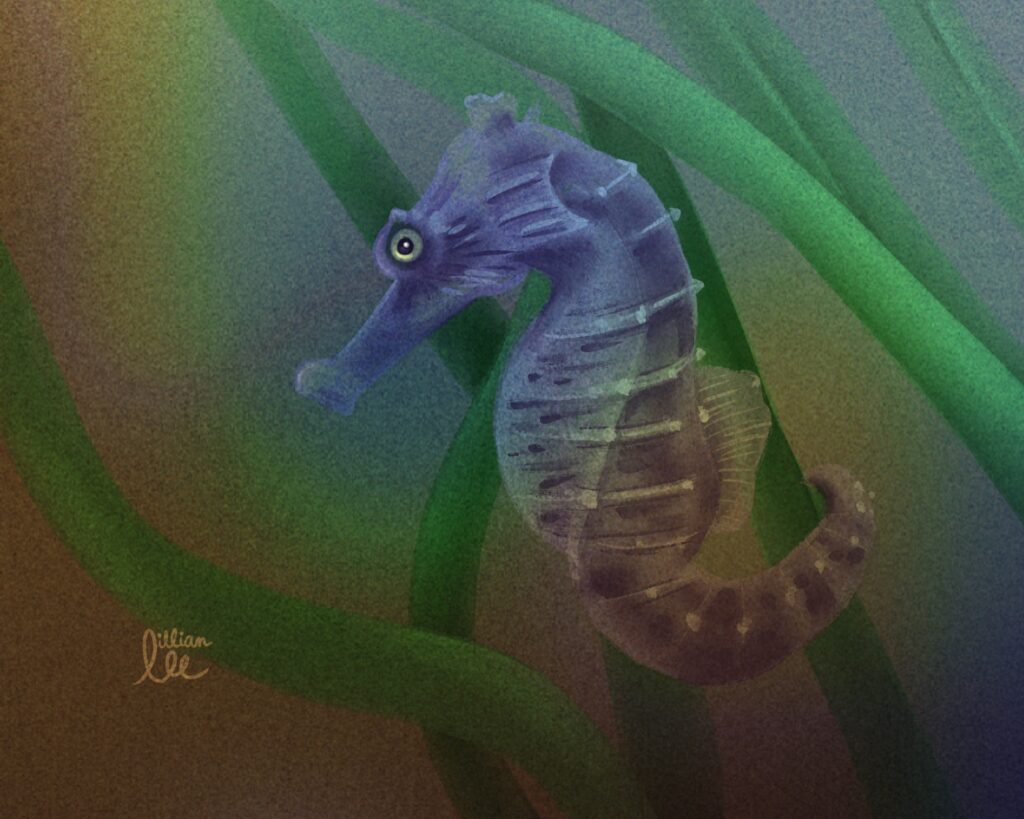
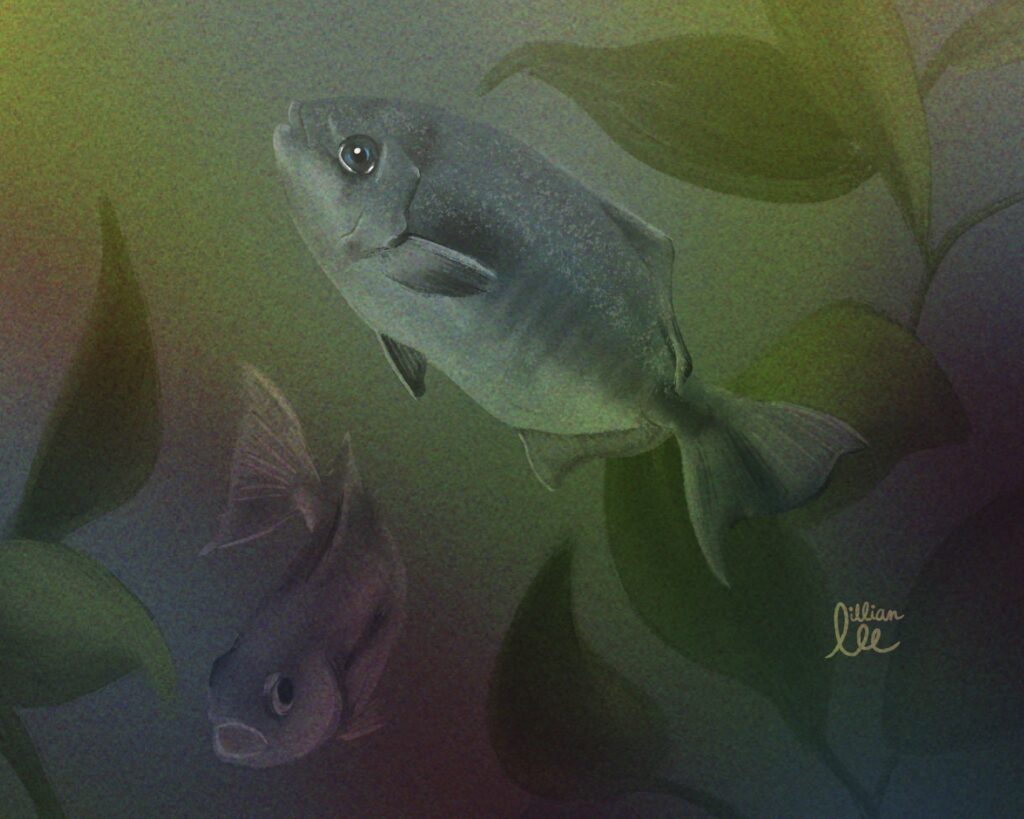
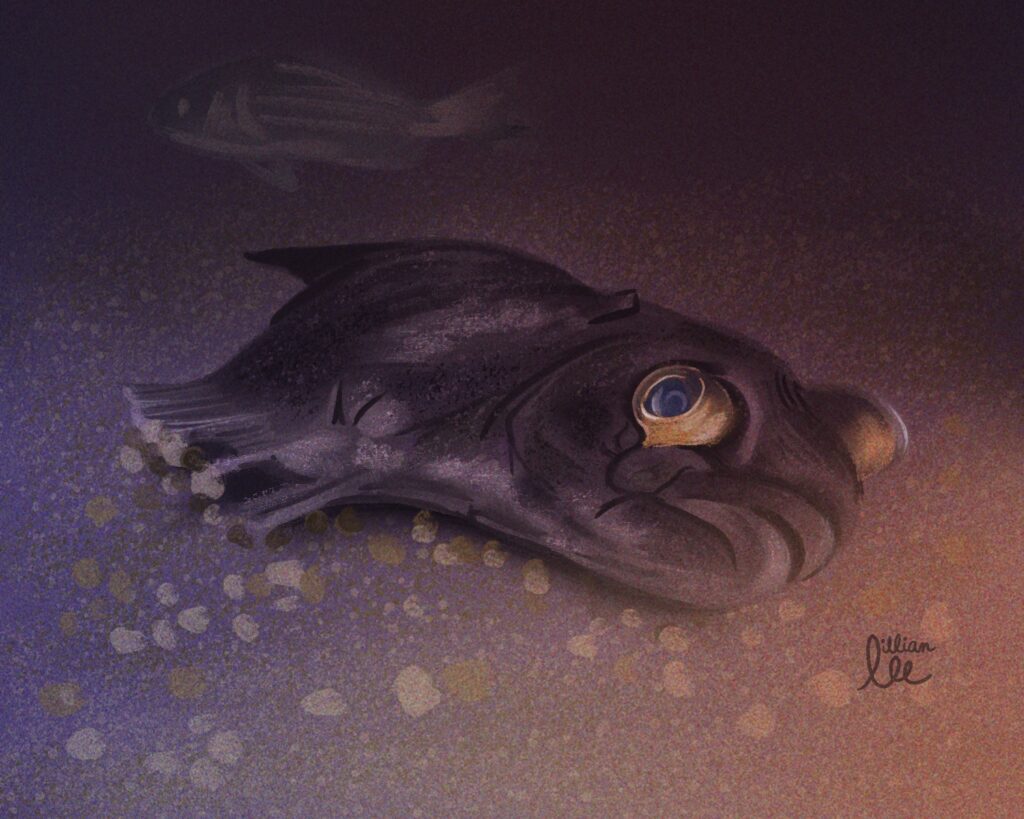
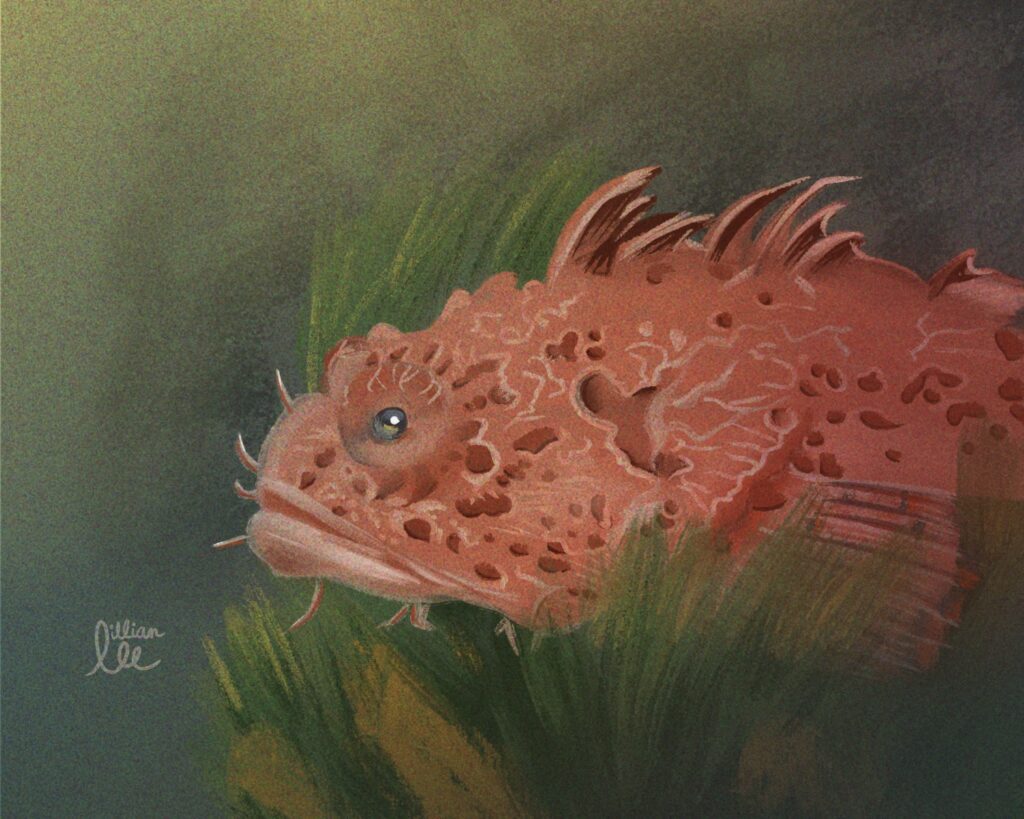
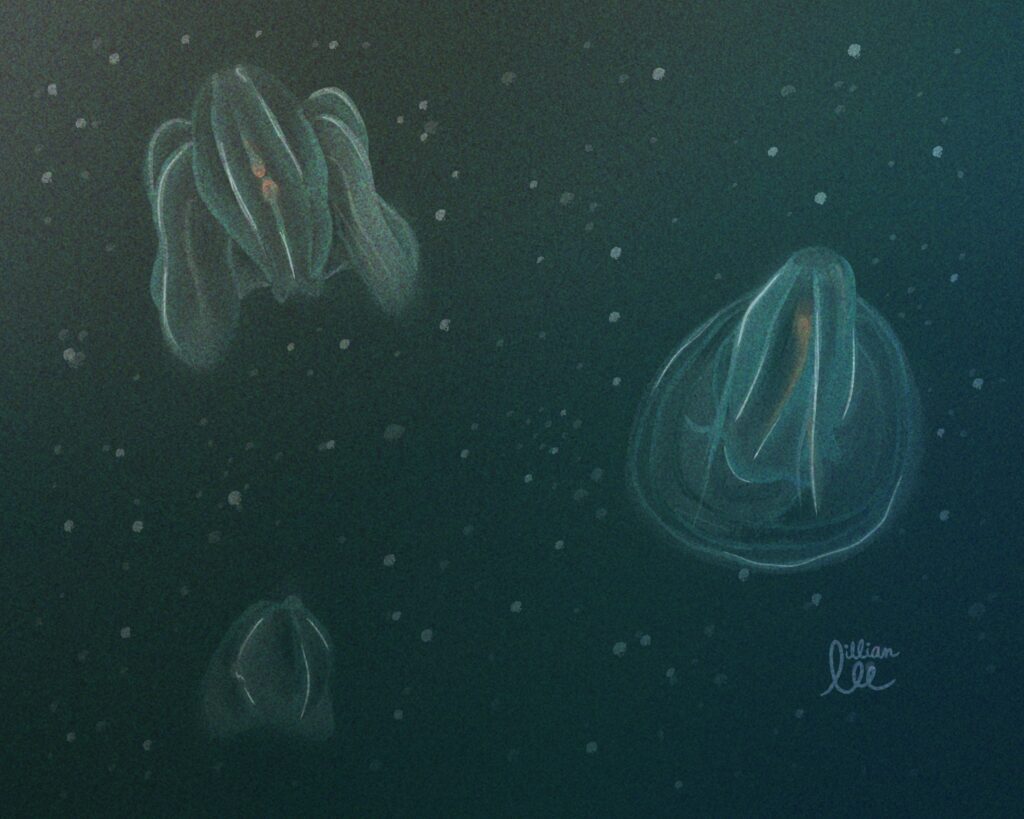
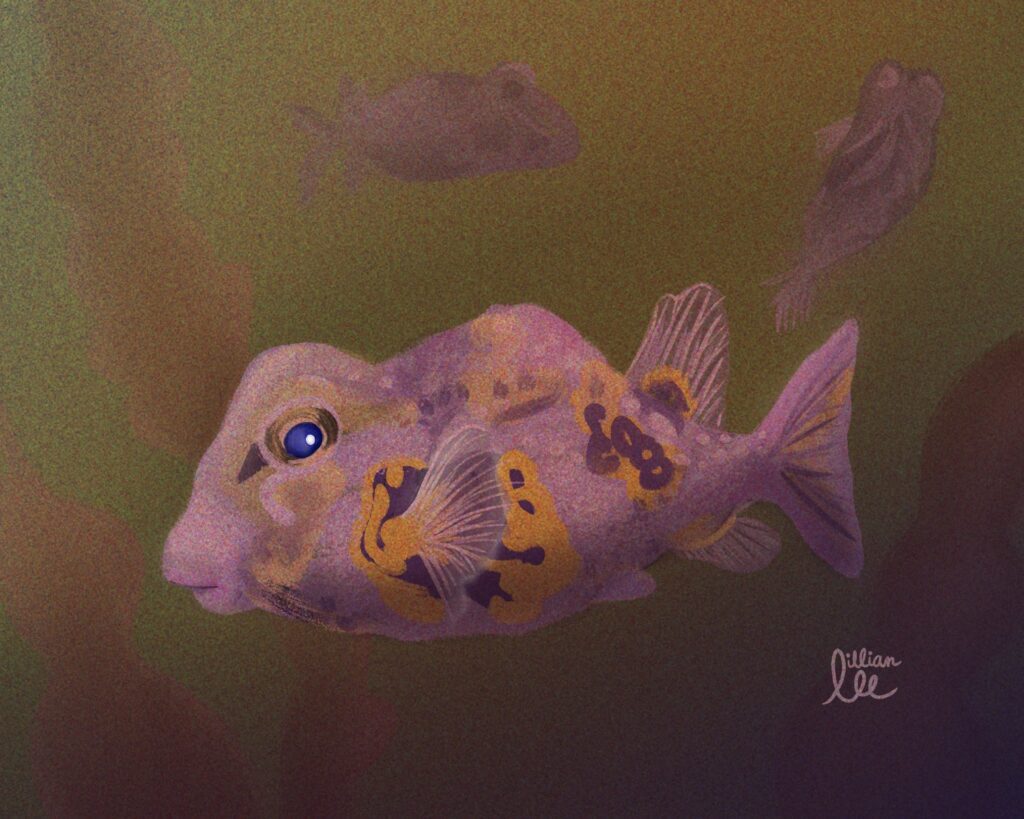
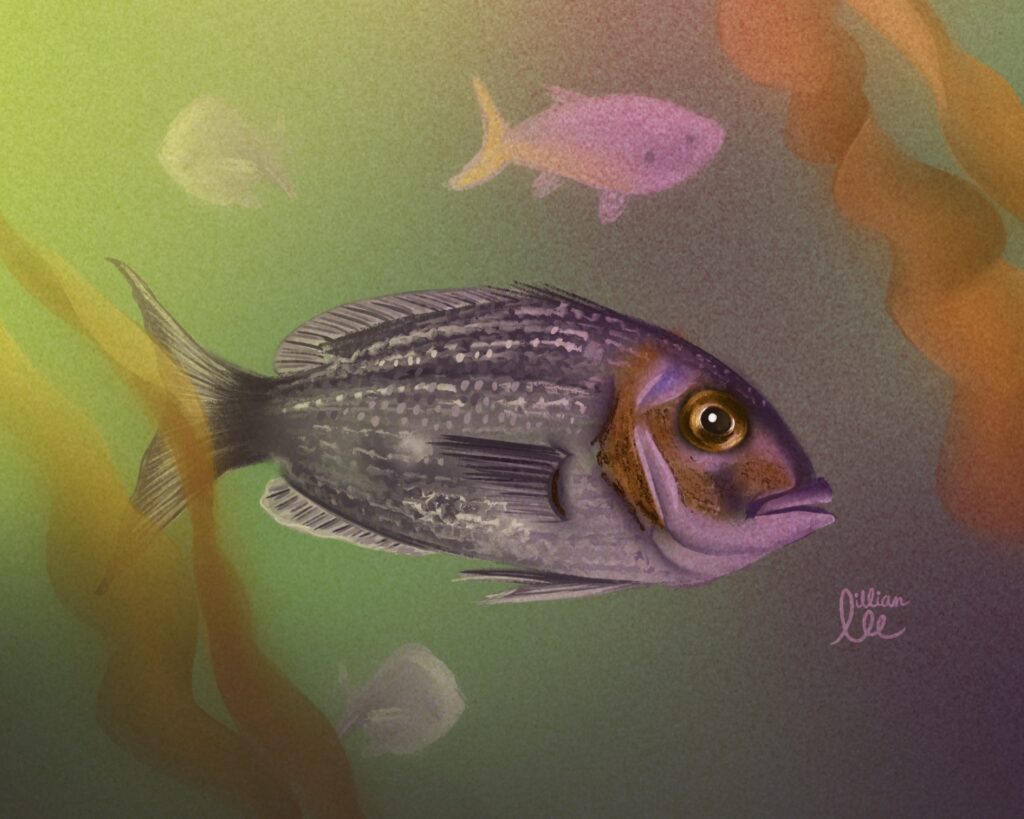
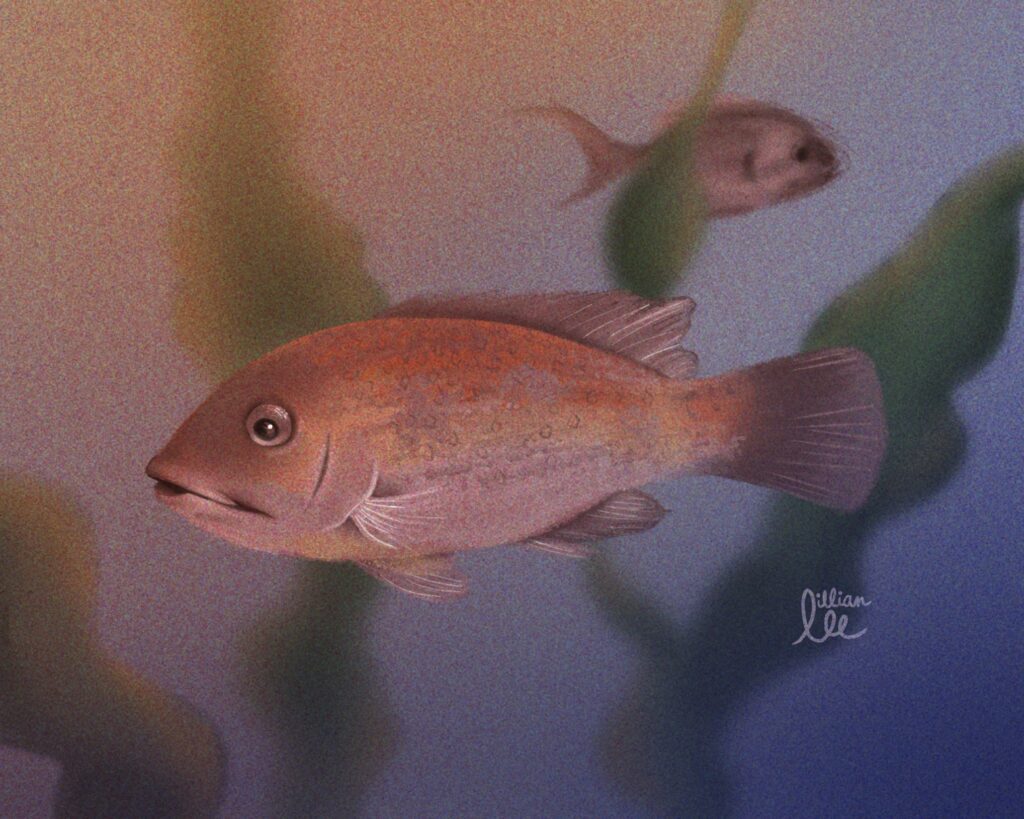
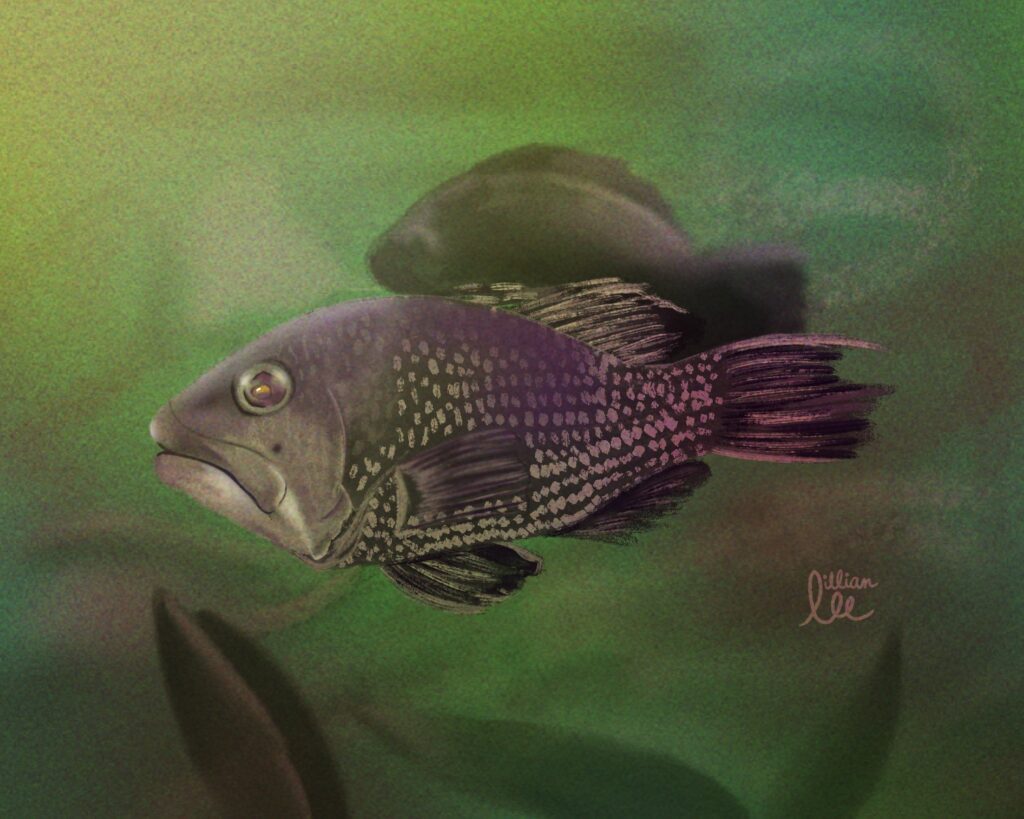
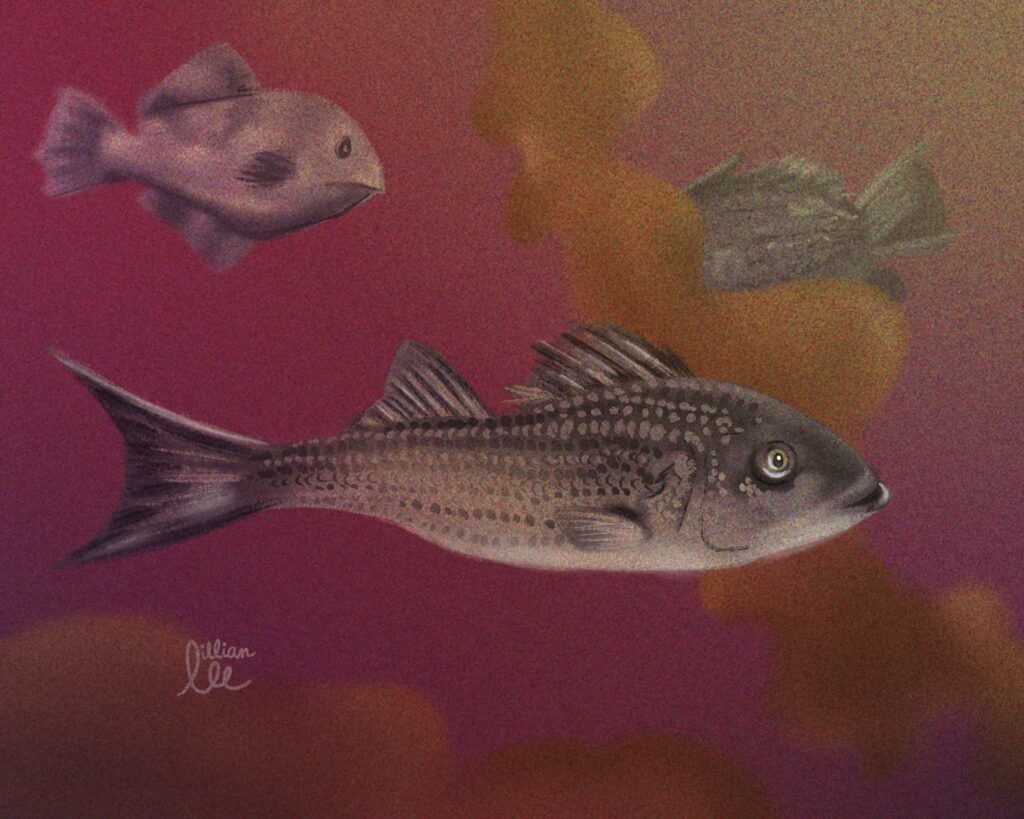
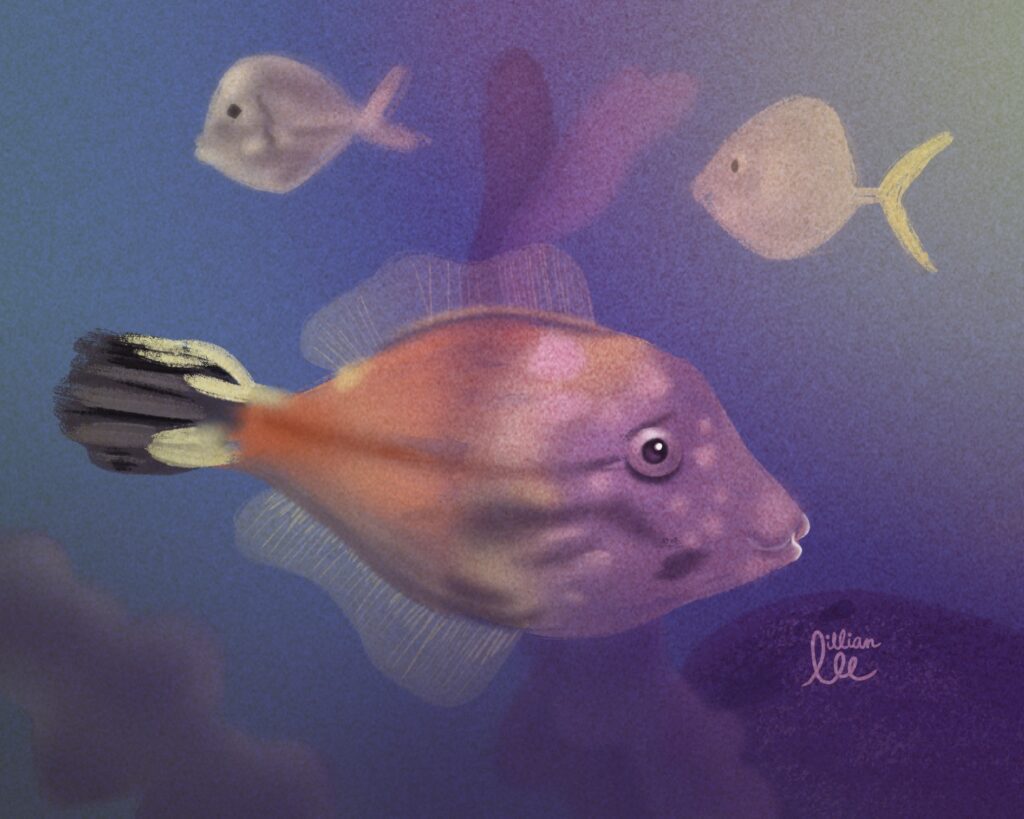
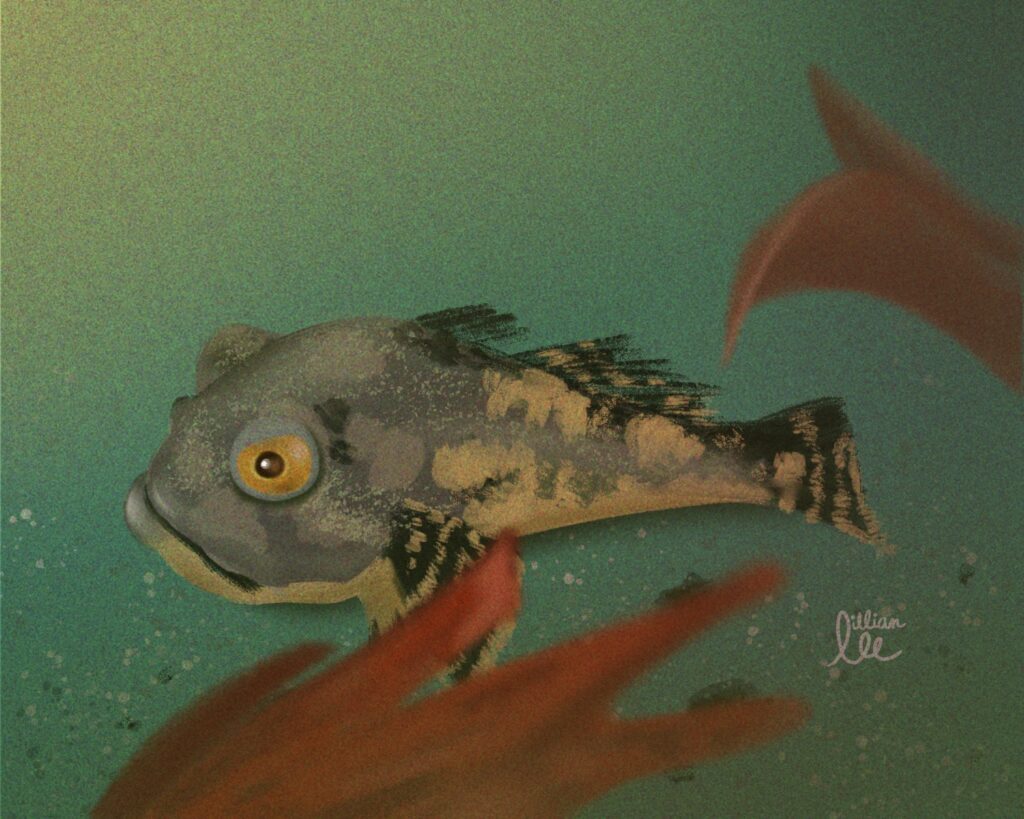
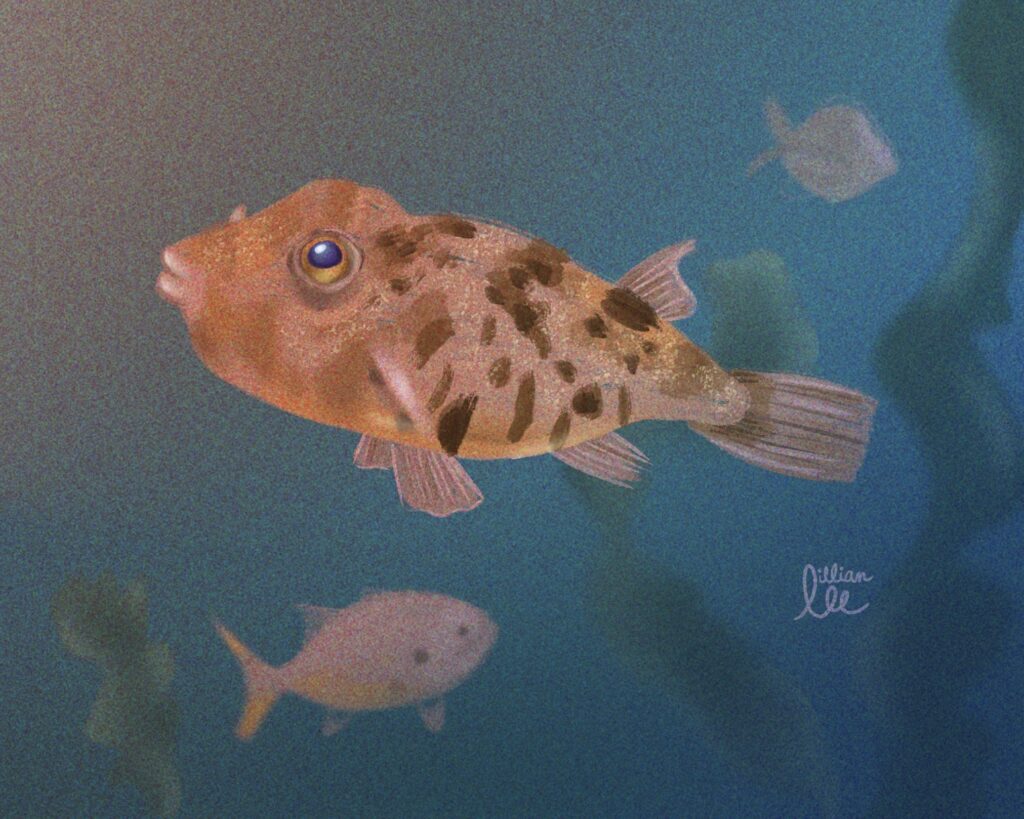
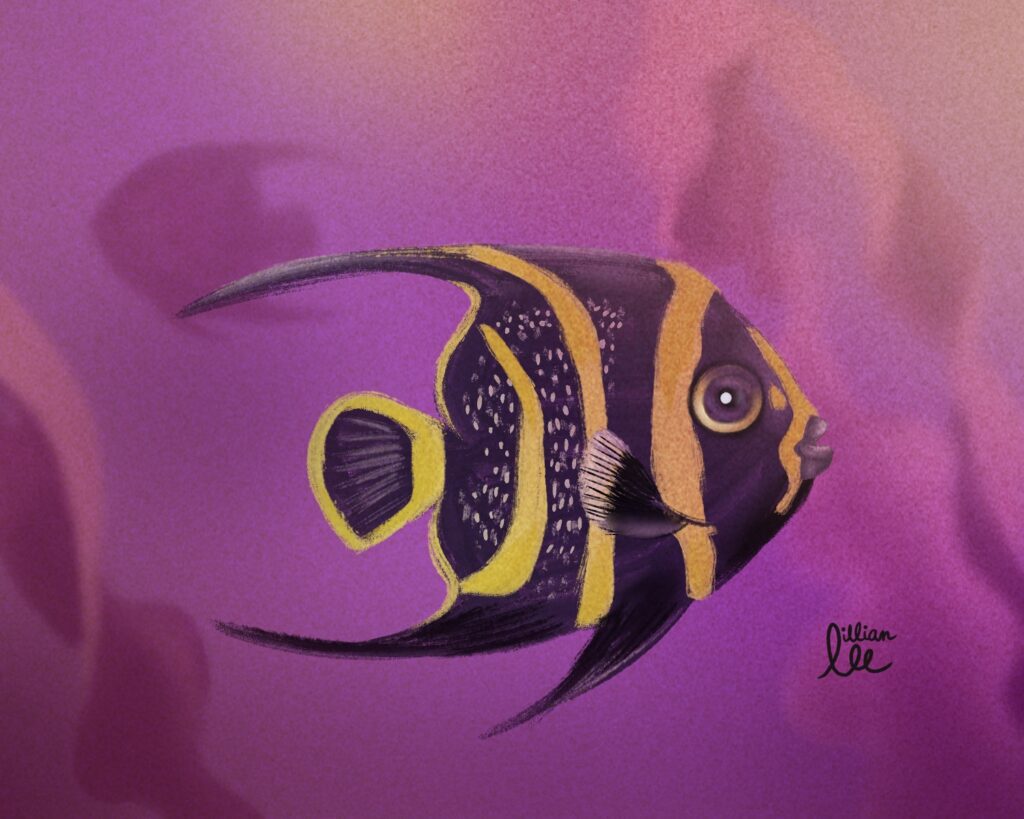
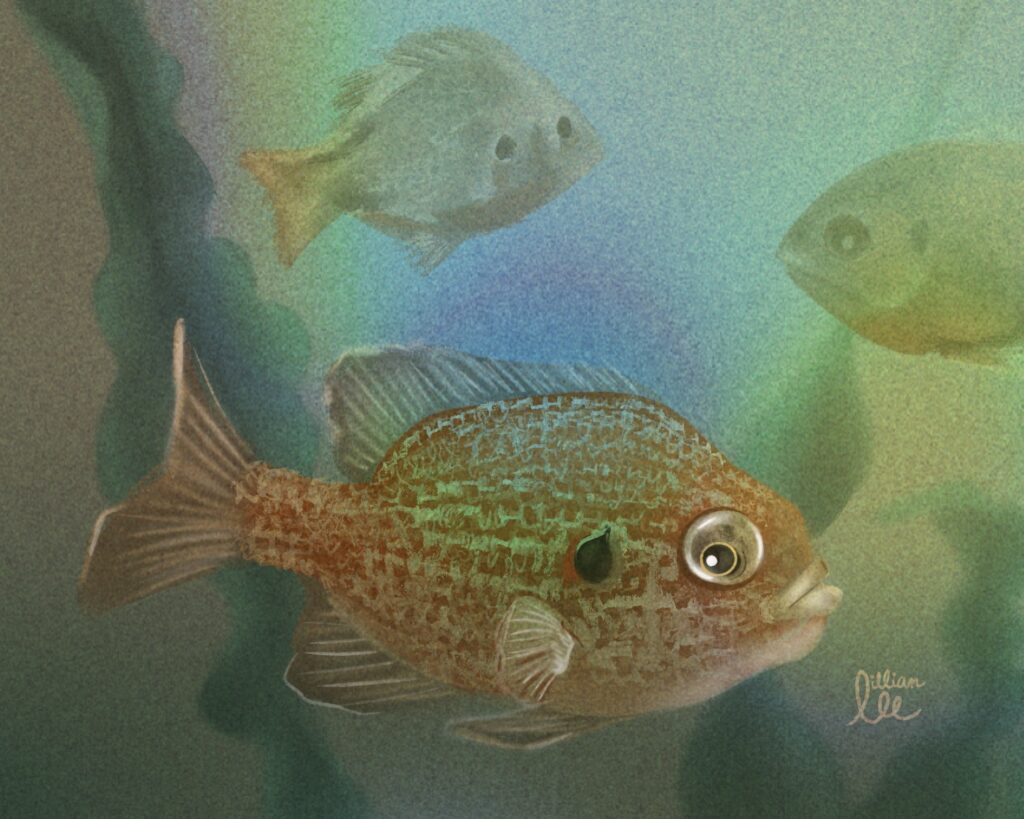
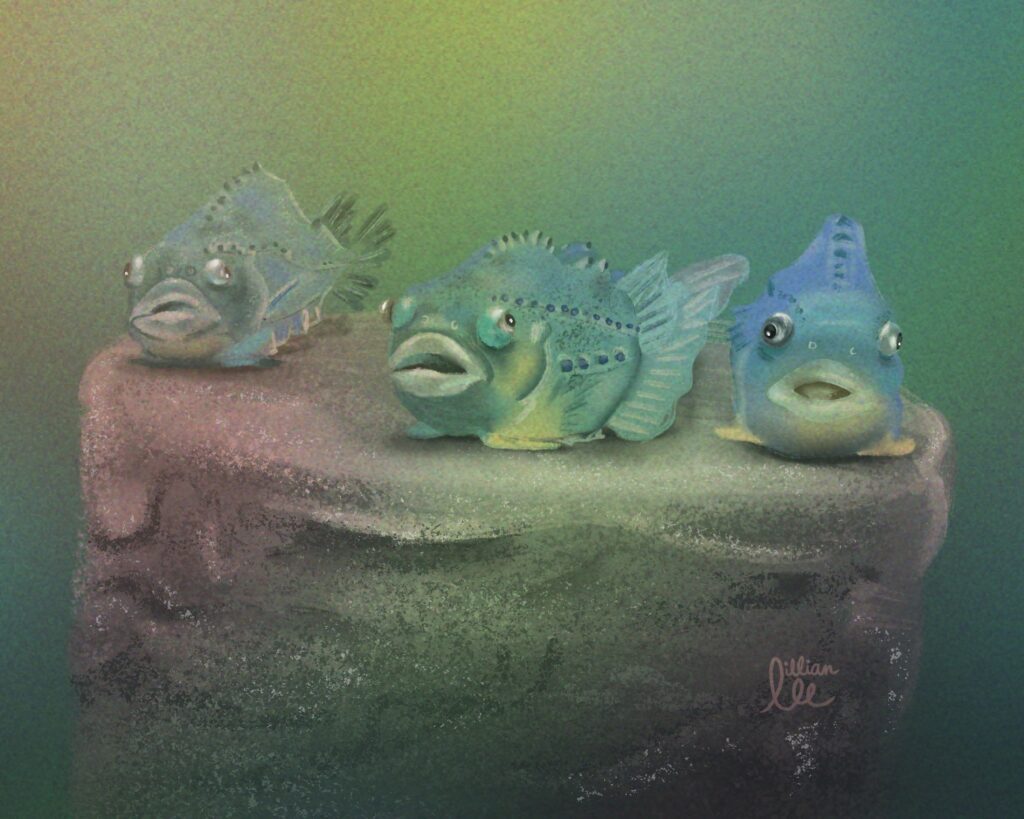
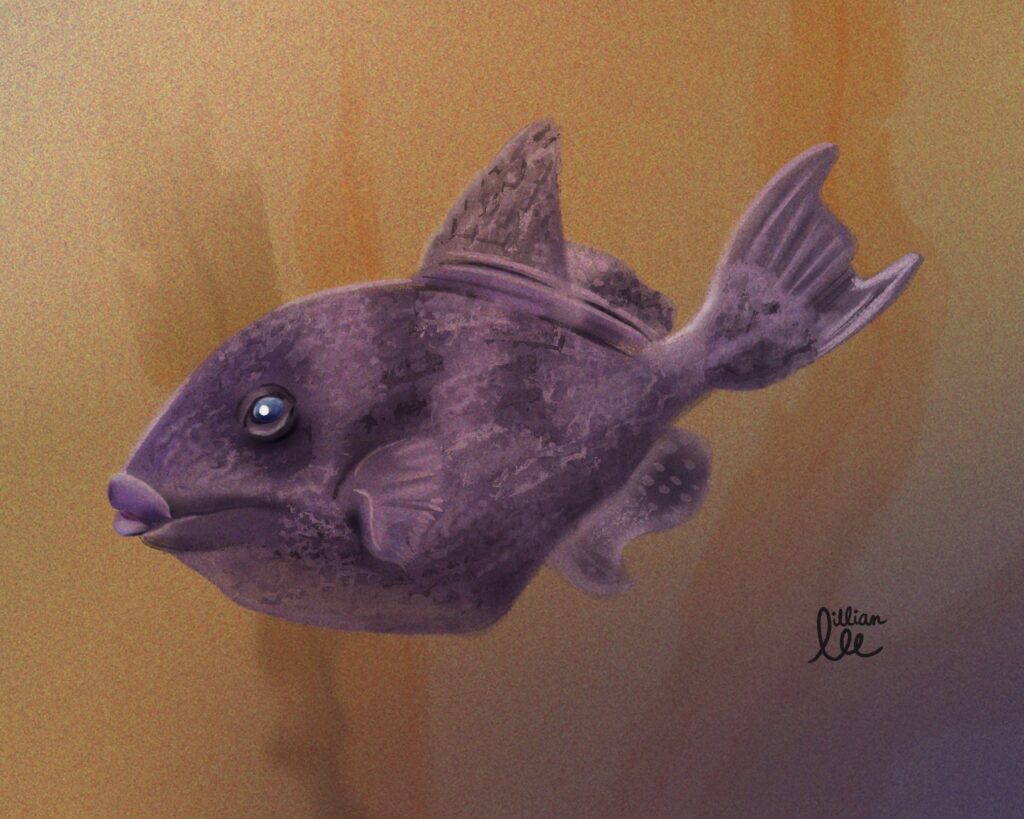
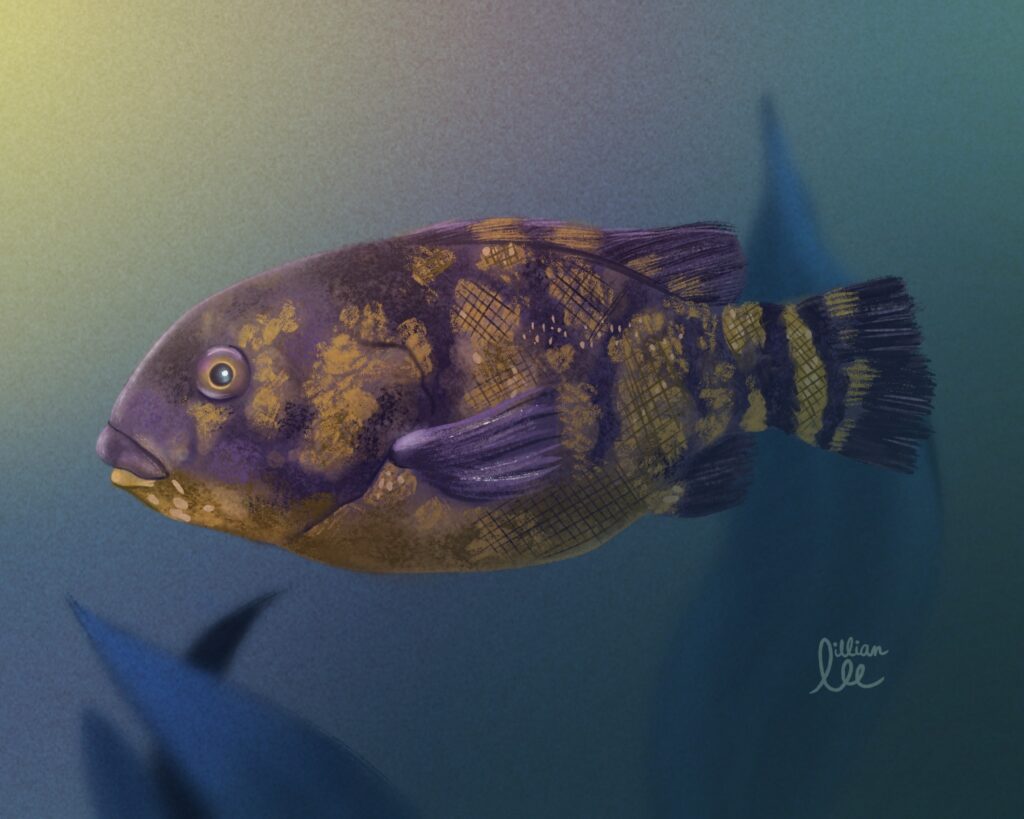
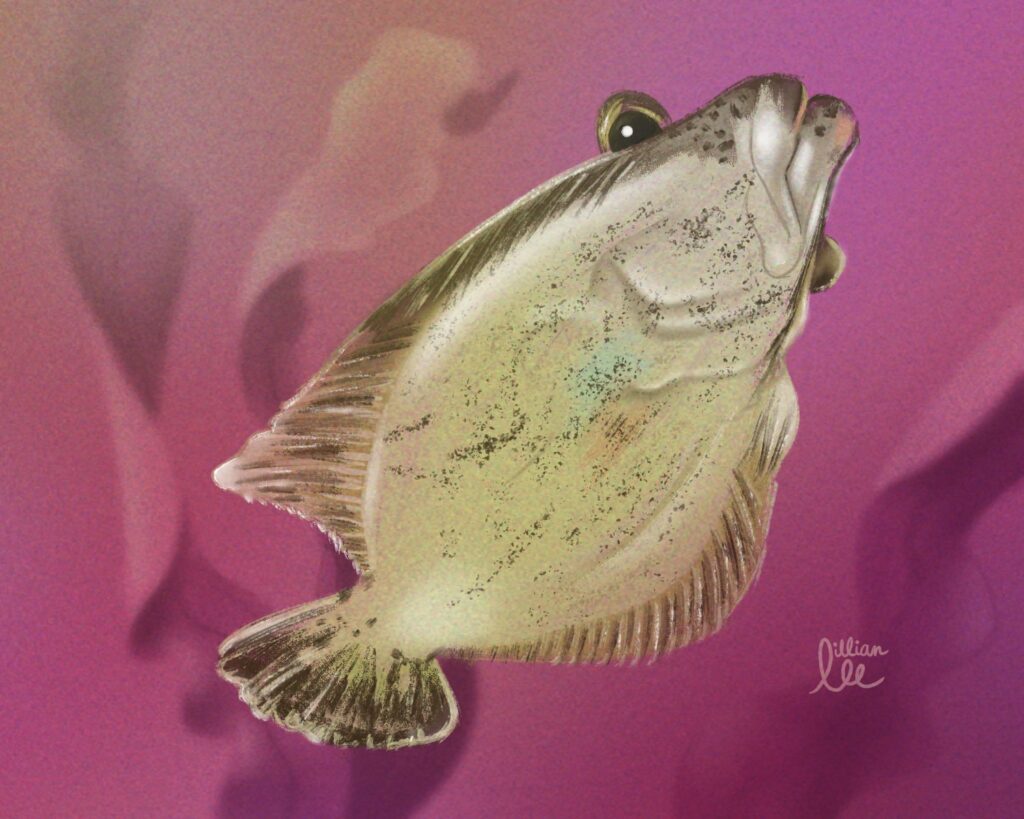
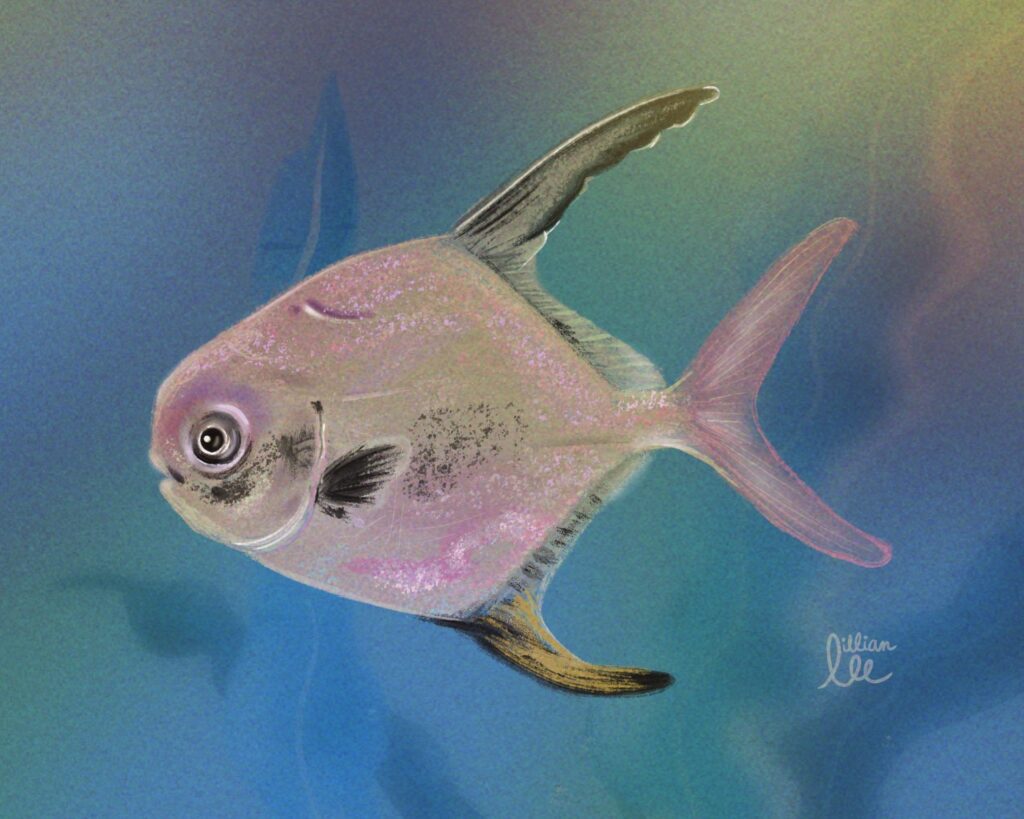
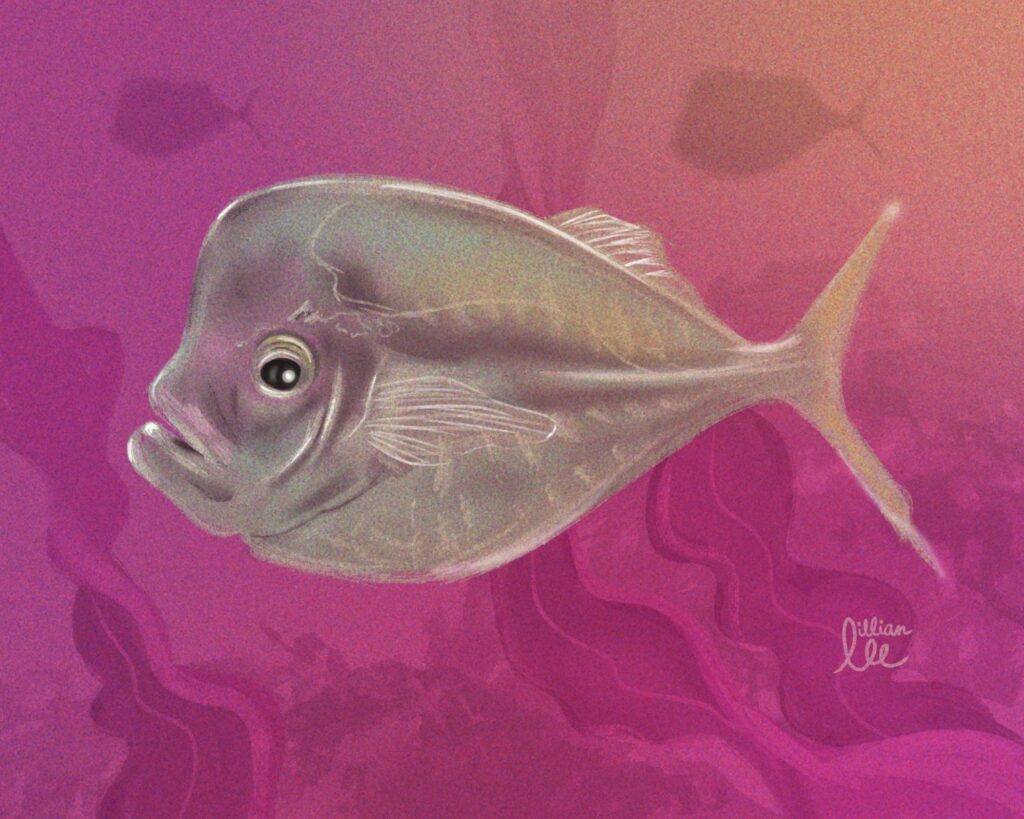
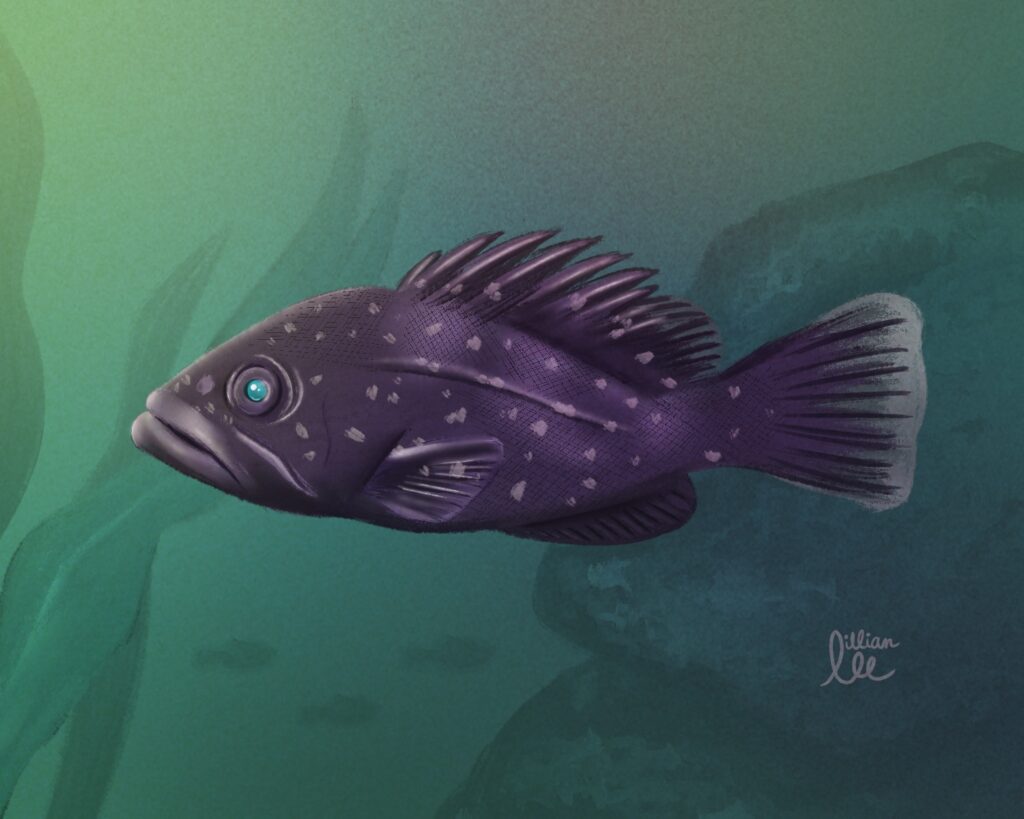
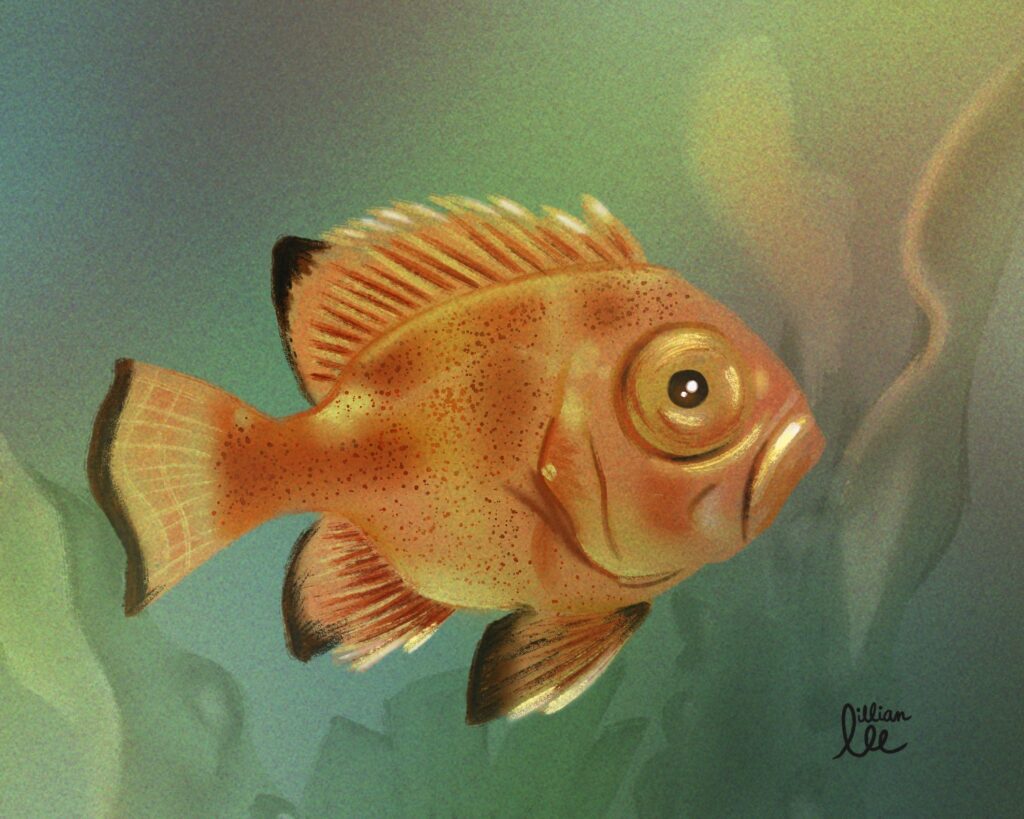
Day 68: Tobacco Fish … 3.22.26 … common in the Bahamas, this hardy, little fish thrives on a carnivorous diet and primarily hangs out in shallow rocky bottomsDay 67: Humbug Damselfish … 3.21.26 … these little gardeners of coral reefs graze on unwanted algae and also feed on waste a small prey nearby in order to remain in the safety of the reef where they hang in groups of 30. Day 66: Spotfin Hogfish … 3.20.26 … native to the Atlantic Ocean along the Carolinas to South America, it can change from female to male. They typically hang around rocky and coral reefs.Day 65: Hoplarchus or Parrot Cichlid … 3.19.26 … from the black water rivers of South America, it is occasionally kept as an aquarium fishDay 64: Canary Rockfish … 3.18.26 … also known as the orange rockfish, tend to gather in groups around high relief rock formations in the Pacific Ocean off western North AmericaDay 63: Cichlid … 3.17.26 … species native to the Amazon basinDay 62: Blue Spine Unicorn fish … 3.16.26 … found in the Indo-Pacific, these solitary souls enjoy areas with waves or strong surgesDay 61: Blue-spotted jawfish … 3.15.26 … from the tropical eastern Pacific, this sea creature has a large mouth which it uses to dig a burrow by taking mouthfuls of sand and then spitting it out.Day 60: Bicolor Blenny … 3.15.26 … also known as the flame tail Blenny, this fish is found in the Indo Pacific. it is known for its striking purple/brown front and bright orange rear.Day 59: Buffalo Trunkfish … 3.14.26 … found in seagrass beds and known for their honeycomb patterns, they are found in the Western Atlantic from Canada to BrazilDay 58: Star Spangled Goby fish … 3.13.26 … found all over the world in tropical waters, these fish are generally bottom-dwellersDay 57: Black Striped Angelfish … 3.12.26 … found in areas of dense coral growth, they are found in small harems with a dominant male and 2-6 females…AND if the male ever goes missing, the dominant female will change to become maleDay 56: Yellow Tail Coris … 3.11.26 … with an elongated soft body that is tapered and spindle-shaped, they are most common in Hawaiian waters in the reefsDay 55: Gold-Spotted Spinefoot … 3.9.26 … plays a key role in coral reef ecosystems throughout the Western Pacific range by helping to limit algae growth. This maintains and improves the health of coral.Day 54: Smallmouth Grunt … 3.8.26 … found in the Western Atlantic, this small fish can mimic and mix with other fish to 8mprove their ability to avoid predatorsDay 53: Black Skirt Tetra Fish … 3.8.26 … native to South America, this peaceful schooling fish is a popular aquarium fishDay 52: Porkfish … 3.7.26 … this nocturnal predator is native to the Western Atlantic and produces a grunt-like sounds with their teeth and bladderDay 51: Blackbar Soldierfish … 3.7.26 … from the Western Atlantic, this fish is nocturnal and can be found swimming upside down at timesDay 50: Garden Eels … 3.6.26 … found in the waters near the Maldives, Philippines and Indonesia, these eels live in sandy burrows that it digs tail first. Day 49: Royal Blue Tang … 3.4.26 … found in tropical shallow waters and coral reefs, this fish has a spine that can fend off predators and defend its territoryDay 48: Red Hook Silver Dollar … 3.3.26 … a fish from the Amazon that is generally peaceful but will bite humansDay 47: Flag-tailed Prochilodus fish … 3.2.26 … native to the Amazon basin, it is a migratory fish. This fish at the New England Aquarium made its mark on us with its unique overbite.Day 46: Elephantnose fish … 3.1.26 … native to the river habitats of Africa, these rare sea creatures use electricity to communicate. They are also super smart. The New England Aquarium is one of the few public aquariums that have them available for view — it’s where I discovered themDay 45: Razorfish … 2.28.26 … usually found in a head-down tail-up position, it is found in the coastal waters of Indo-West PacificDay 44: Caesio Cuning … 2.27.26 … native to the Indian and Western Pacific Oceans, it is usually found over rocky and coral reefsDay 43: Zebra Cichlid … 2.26.26 … known to be highly aggressive which may be caused by environmental factors like temperature, they are native to the lakes and streams of Central AmericaDay 42: Rough Bullseye fish … 2.25.26 … usually found in the caves of Australia, this schooling fish has a very large eyeDay 41: Blue Ring Angelfish … 2.24.26 … a tropical fish that lives around rocky coral reefs in the regions of Sri Lanka to Australia. One male will defend the territory with two to five females living with him.Day 40: Pink Skunk Clownfish … 2.23.26 … a fish from northern Australia, it has a symbiotic relationship with sea anemones — it’s unaffected by the stinging tentacles because it has a thick protective mucus layerDay 39: Copperband Butterflyfish … 2.22.26 … found in reefs in both the Pacific and Indian Oceans, it features a long snout.Day 38: Four-eyed Fish … 2.21.26 … found mostly in South America, they have eyes raised above the top of the head and divided into two different parts so that they can see above and below the water surface at the same timeDay 37: Bleeding Heart Tetra … 2.20.26 … native to South America, it has a small red spot, aka the heart, located on its sidesDay 36: Yellow Tang … 2.19.26 … hangs out in reefs and has a white barb just before its tail fin to protect itselfDay 35: Banded Leporinus … 2.18.26 … yellow and black striped freshwater fish native to South AmericaDay 34: Clown Featherback … 2.17.26 … nocturnal tropical fish with a knife-like body native to Cambodia, China, Hong Kong, Laos, Macau, Thailand and VietnamDay 33: Moonlight Gourami … 2.16.26 … a peaceful species native to the Mekong River in Cambodia and VietnamDay 32: Pajama Cardinalfish … 2.15.26 … a popular aquarium fish from the western Pacific Ocean. They have a peaceful nature.Day 31: Weedy Seadragon … 2.14.26 … primarily found along the Australian coast, they have leaf-like appendages that resemble kelp of seaweed fronds providing camouflageDay 30: Blue-spotted Spinefoot … 2.13.26 … aka Rabbitfish found in the Indo-Pacific with a dark smudge mark surrounding its eyeDay 29: Spotfin Butterflyfish … 2.12.26 … found in the western Atlantic Ocean on shallow coral reefs and seagrass beds. It’s markings help to confuse predators.Day 28: Blotcheye Soldierfish … 2.11.26 .. Found in tropical reefs, their eyes are big because they are nocturnal.Day 27: Hog Fish … 2.9.26 .. Native to the western Atlantic Ocean, it has a very elongated snout which it uses to search for crustaceans buried in the sediment. It is also a fish that starts out as female and then matures to become male.Day 26: American Sturgeon … 2.8.26 … native to the Atlantic and with a long snout, it can reach 60 years of age and weigh over 8oo lb.Day 25: California Sheephead … 2.7.26 … found in the kelp forests of California, they are hatched female and morph into males. They also feature protruding canine teeth and can live for over 50 years.Day 24: Brook Trout … 2.6.26 … a freshwater fish with distinct sprinkling of dots native to the lakes, rivers, streams, creeks and ponds of Eastern North America’s cold climatesDay 23: Lined Seahorse … 2.5.26 … lives in the western Atlantic Ocean as far north as Cape Cod. They have a life space of 1 to 4 years.Day 22: Halfmoon Perch … 2.4.26 … moving over to the other coast — the Pacific Ocean off western North America near Vancouver. They like to hang around kelp forests and rocky reefs.Day 21: Halibut … 2.3.26 … the largest flat fish. It’s born with one eye on each side of its head but then 6 months later one eye migrates to the other side. Day 20: Sea Raven … 2.2.26 … found along the Atlantic coast of North America, these fish have large heads and fleshy folds with a ragged layer of skin. They can survive in subzero temperatures.Day 19: Comb Jellies … 2.1.26 … there are several hundred different species. and, unlike true jellyfish, they do not have stinging tentacles.Day 18: Buffalo Trunkfish … 1.31.26 … found in the western Atlantic, it has a peculiar-shaped hump. They are slow swimmers and generally peaceful aside from the toxin it releases when it feels threatened. Day 17: Scup fish … 1.30.26 … primarily from the Atlantic, it is also known as a porgy fish. It was the most abundant fish during colonial times.Day 16: Cunner fish … 1.29.26 … native to the northwestern Atlantic they spend the winter underneath rocks in a dormant stateDay 15: Black Sea Bass … 1.28.26 … bottom-dwelling fish found along the Atlantic coast known for their large mouths. It’s also the preferred fish for steaming for my folks.Day 14: Striped Bass … 1.27.26 … another fish native to the Atlantic coast, it is a voracious predator Day 13: Whitespotted Filefish … 1.26.26 … has a prominent snout and sandpaper-like textureDay 12: Atlantic Hookear Sculpin … 1.25.26 … found along Cape Cod hanging out on the bottom Day 11: Bandtail Puffer … 1.24.26 … observed in Massachusetts, a fish that can inflate themselves to several times their size by swallowing air or water when threatened.Day 10: French Angelfish … 1.23.26 … found in the Atlantic Ocean they form lifelong pairsDay 9: Pumpkinseed fish … 1.22.26 … named as such because its shape is similar to a pumpkin seed. Native to the eastern coast of North America, it is a carnivorous little bastard. Day 8: Lumpfish … 1.21.26 … ball-shaped fish known for its suction-cup-like pelvic fins, which it uses to cling to surfaces in cold North Atlantic waters.Day 7: Grey Triggerfish … 1.20.26 … has a small beak-like mouth at the tip of its snout with fleshy lipsDay 6: Tautog or Blackfish … 1.19.26 … known for their thick, rubbery lips and powerful jaws.Day 5: Flounder … 1.18.26 … a flat fish with both eyes on one side of their head. ‘Tis a face only its mother would love. I drew this from the view of its bellyDay 4: Permit fish … 1.17.26 … just a game fish but two submarines of the United States Navy were named USS Permit in its honor.Day 3: Atlantic Moonfish … 1.16.26 … an extremely compressed fish with a bent forehead and protruding lower jawDay 2: Snowy Grouper … 1.15.26 … a deep water fish frequently found along the northeastern coast of the US that starts out as a female but then changes to male.Day 1: Short Bigeye … 1.14.26 … a carnivorous nocturnal fish. my dad calls this a “big eye chicken” in Cantonese. I think they’re funny especially with its perpetual frown…always chilling in the tanks while other fish zoom by them.